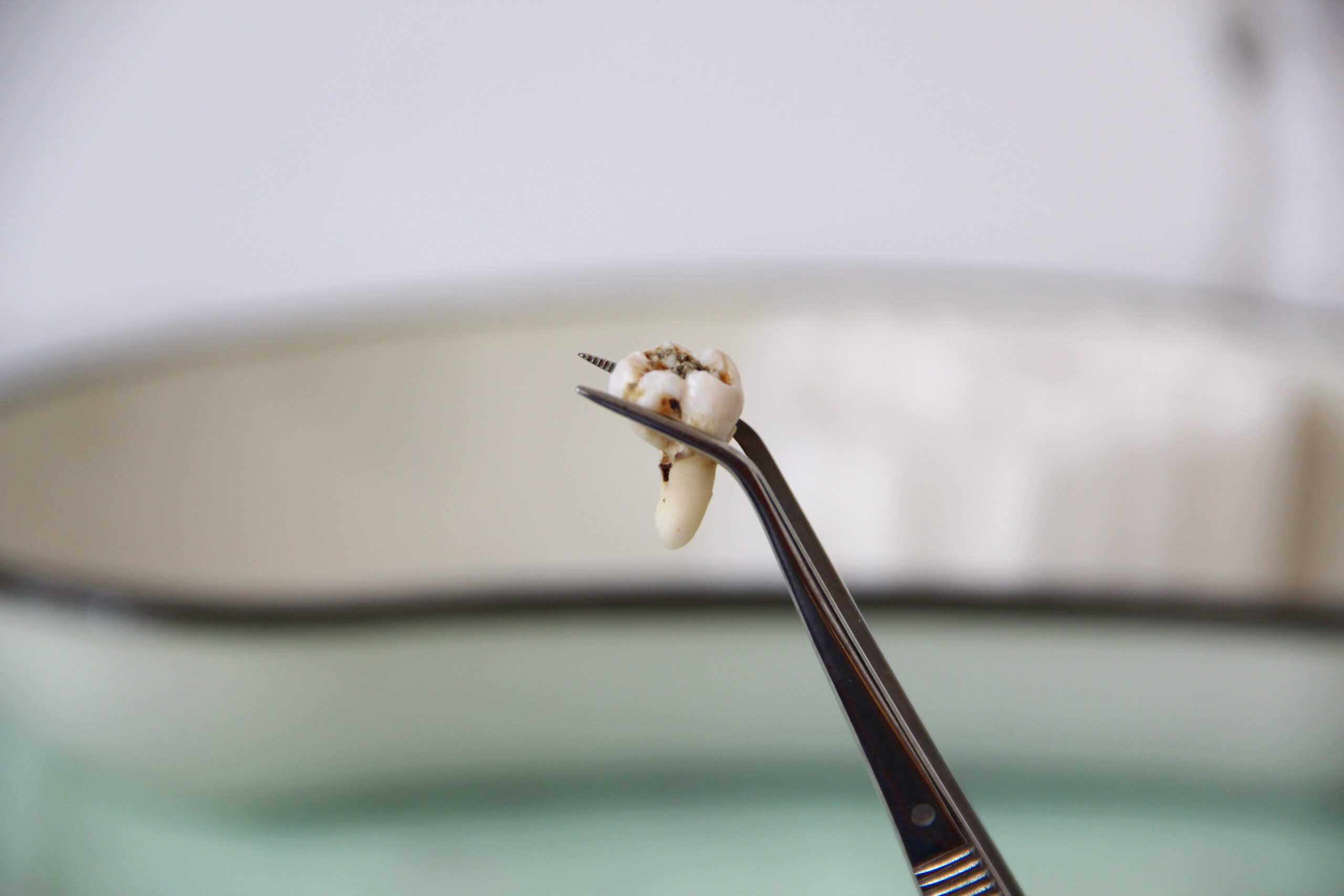
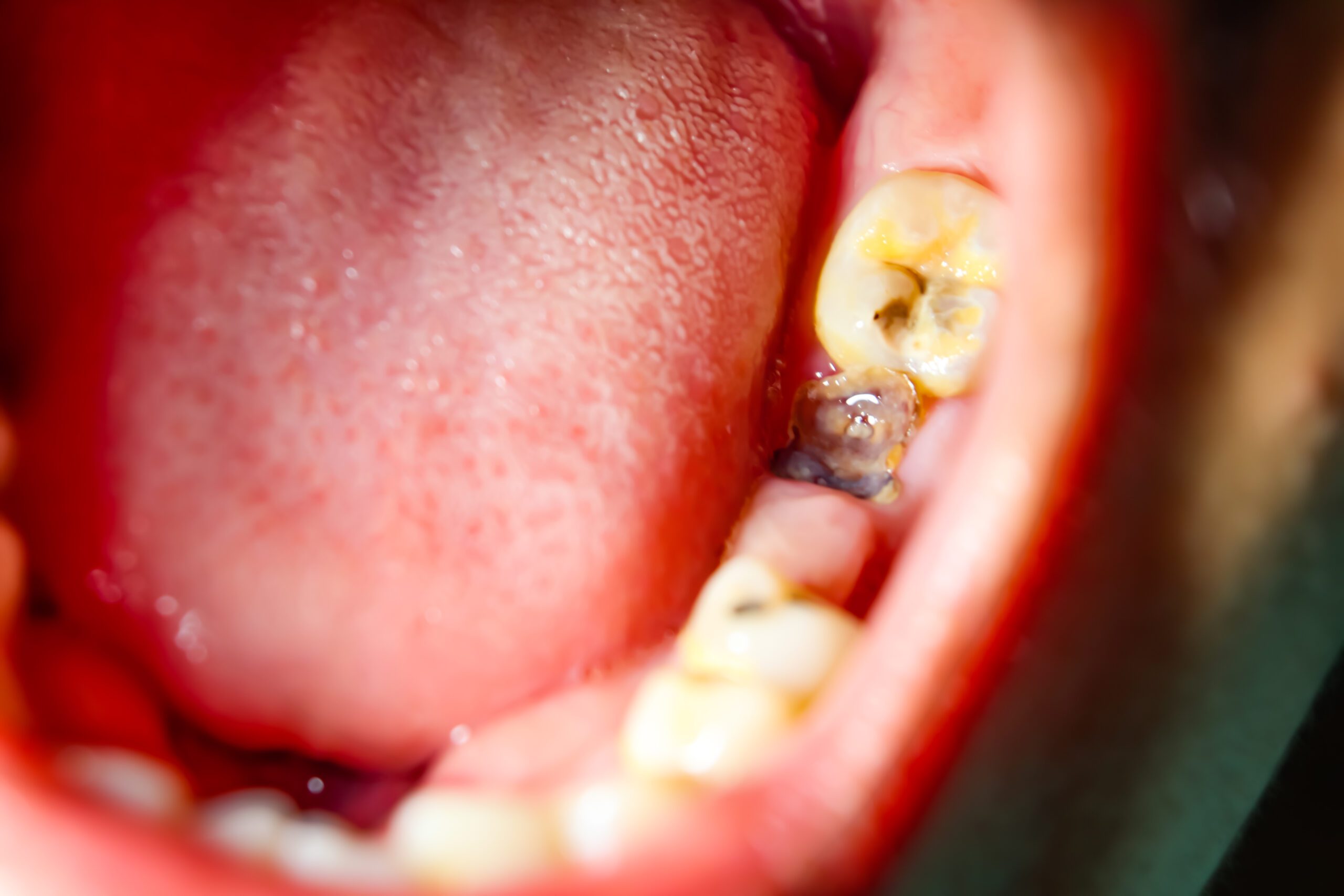
A tooth abscess can escalate from minor discomfort to a serious health emergency faster than most people realize. If you’ve ever experienced the throbbing pain of an abscessed tooth, you know it’s not something you’d wish on anyone.
Understanding what triggers this painful condition and how to prevent it can save you from unnecessary suffering and costly emergency dental visits.
Understanding Tooth Abscesses
A tooth abscess is a pocket of pus caused by a bacterial infection in your mouth. Think of it as your body’s alarm system going off—the swelling, pain, and inflammation are all signs that bacteria have invaded and your immune system is fighting back.
There are three main types: periapical abscesses (at the tooth’s root tip), periodontal abscesses (in the gum tissue), and gingival abscesses (in the gum itself). Each type requires professional attention, and ignoring the symptoms can lead to the infection spreading to your jaw, neck, or even other parts of your body.
What Causes Tooth Abscess: The Root of the Problem
Several factors can create the perfect storm for the development of a tooth abscess. Untreated tooth decay is the primary culprit—when cavities penetrate deep into your tooth, bacteria gain direct access to the pulp chamber where nerves and blood vessels live.
Gum disease creates another pathway for infection by forming pockets between your teeth and gums where bacteria thrive. Physical trauma from accidents, sports injuries, or even aggressive teeth grinding can crack teeth and create entry points for harmful bacteria.
Poor dental hygiene accelerates all these issues. When you skip brushing or flossing, you’re essentially rolling out the welcome mat for bacteria that produce acids and toxins. A weakened immune system or conditions like diabetes can also make you more susceptible to infections. Even previous dental work can sometimes lead to abscesses if bacteria enter compromised areas around fillings or crowns.
Warning Signs You Shouldn’t Ignore
Your body gives clear signals when an abscess is forming. A severe, persistent toothache that may radiate to your jaw, neck, or ear is often the first red flag. You might notice extreme sensitivity to hot or cold temperatures, even after the source is removed. Swelling in your face, cheek, or lymph nodes under your jaw tells you the infection is spreading. Fever, general malaise, and a foul taste in your mouth from draining pus are severe symptoms requiring immediate attention.
If you experience difficulty swallowing or breathing, this is a dental emergency—contact Belleview Dental Associates in Littleton, CO, immediately, or visit the nearest emergency room.
Prevention: Your Best Defense Against Abscesses
Preventing tooth abscesses isn’t complicated, but it does require consistency. Brush your teeth twice daily with fluoride toothpaste for at least two minutes each time, making sure to reach all surfaces and along the gumline. Floss once daily to remove plaque and food particles from areas your toothbrush can’t reach. Replace your toothbrush every 3 to 4 months, or sooner if the bristles become frayed and store in a dry area.
Limit sugary foods and drinks that feed harmful bacteria. When you do indulge, rinse your mouth with water afterward. Drink plenty of water throughout the day, especially fluoridated tap water, which helps strengthen tooth enamel. Avoid using your teeth as tools to open packages, bottles or crack nuts—this can create tiny fractures that become bacterial highways.
Perhaps most importantly, schedule regular dental checkups every six months. Professional cleanings remove hardened plaque (tartar) that you can’t eliminate at home, and routine exams catch minor problems before they become abscesses. If you play contact sports, wear a mouthguard to protect your teeth from injury. If you grind your teeth, wear a mouthguard at night when sleeping. Address dental issues promptly—don’t wait for that small cavity or chip to become a bigger problem.
Professional Treatment Options
When prevention fails and an abscess develops, professional treatment becomes essential. Your dentist may need to drain the abscess to remove infection and relieve pressure. Root canal therapy can save an infected tooth by removing diseased pulp and sealing the tooth. In severe cases where the tooth can’t be saved, extraction may be necessary. Antibiotics help fight the infection, though they’re typically used alongside other treatments rather than as a standalone solution.
The key is acting quickly. The sooner you seek treatment, the better your chances of saving the tooth and preventing complications. Delaying care only allows the infection to worsen and spread.
Why Choose Belleview Dental Associates
When you’re dealing with a dental emergency or seeking preventive care in Littleton, CO, Belleview Dental Associates provides the expertise and compassionate care you deserve. Our experienced team uses advanced diagnostic technology to identify problems early and create personalized treatment plans tailored to your unique needs. We understand that dental anxiety is real, which is why we’ve created a comfortable, welcoming environment where patients feel heard and cared for.
We offer services — from routine cleanings to emergency abscess treatment —under one roof. Our commitment to patient education means you’ll understand your oral health and how to maintain it. We work with various insurance plans and offer flexible payment options because we believe everyone deserves quality dental care.
Don’t wait until a small problem becomes a painful emergency—schedule your appointment with Belleview Dental Associates today and take control of your oral health.
Conclusion
Tooth abscesses are serious infections that demand immediate attention, but they’re also largely preventable through consistent oral hygiene and regular dental care. By understanding what causes these painful infections and recognizing early warning signs, you can protect yourself from unnecessary suffering and complications. Remember, your oral health directly impacts your overall well-being—an infection in your mouth doesn’t stay confined to your mouth.
The team at Belleview Dental Associates in Littleton, CO, is here to partner with you in maintaining optimal oral health. Whether you need emergency treatment or want to establish a preventive care routine, we’re ready to help.
Frequently Asked Questions
- Can a tooth abscess go away on its own?
No, a tooth abscess will not heal without professional treatment. While symptoms might temporarily subside if the abscess ruptures, the infection remains and will likely worsen over time, potentially spreading to other areas of your body.
- How quickly can a tooth abscess become dangerous?
An abscess can become life-threatening within days to weeks if left untreated. The infection can spread to your jaw, neck, brain, or bloodstream, leading to sepsis. Seek immediate treatment if you suspect an abscess.
- Is tooth abscess pain worse at night?
Yes, many people experience worse pain when lying down because increased blood flow to the head creates more pressure around the infected area. Propping your head up with extra pillows may provide some relief until you can see a dentist.
- Can I treat a tooth abscess with home remedies?
While rinsing with warm salt water may temporarily reduce discomfort, home remedies cannot cure an abscess. You must see a dentist for proper treatment to eliminate the infection and prevent complications.
- How much does tooth abscess treatment cost?
Treatment costs vary depending on the severity and type of procedure needed, ranging from a few hundred to over a thousand dollars. Contact Belleview Dental Associates for specific pricing and to discuss payment options that work for your budget.