
Persistent bad breath, also known as halitosis, can be both frustrating and embarrassing. While occasional bad breath is common, chronic halitosis often points to underlying issues that require attention. Understanding the causes and available treatments for halitosis is key to restoring fresh breath and maintaining good oral health.
At Belleview Dental Associates, we help patients identify the root causes of halitosis and provide effective, personalized care.
Understanding Halitosis
Halitosis is typically caused by bacteria in the mouth that break down food particles and release odor-producing compounds. While it may seem like a minor concern, it can sometimes indicate deeper oral health problems.
Identifying the cause is the first step in determining the most appropriate treatments for halitosis, as different causes require different solutions.
Common Causes of Halitosis
One of the most common causes of halitosis is poor oral hygiene. When brushing and flossing are inconsistent, food particles remain in the mouth, leading to bacterial growth and unpleasant odors.
Dry mouth is another contributing factor. Saliva plays an important role in cleansing the mouth, and when saliva production decreases, bacteria can thrive more easily. This condition may be caused by dehydration, medications, or certain medical conditions.
Diet can also influence breath odor. Foods like garlic, onions, and strong spices can linger in the mouth and bloodstream, contributing to bad breath even after brushing.
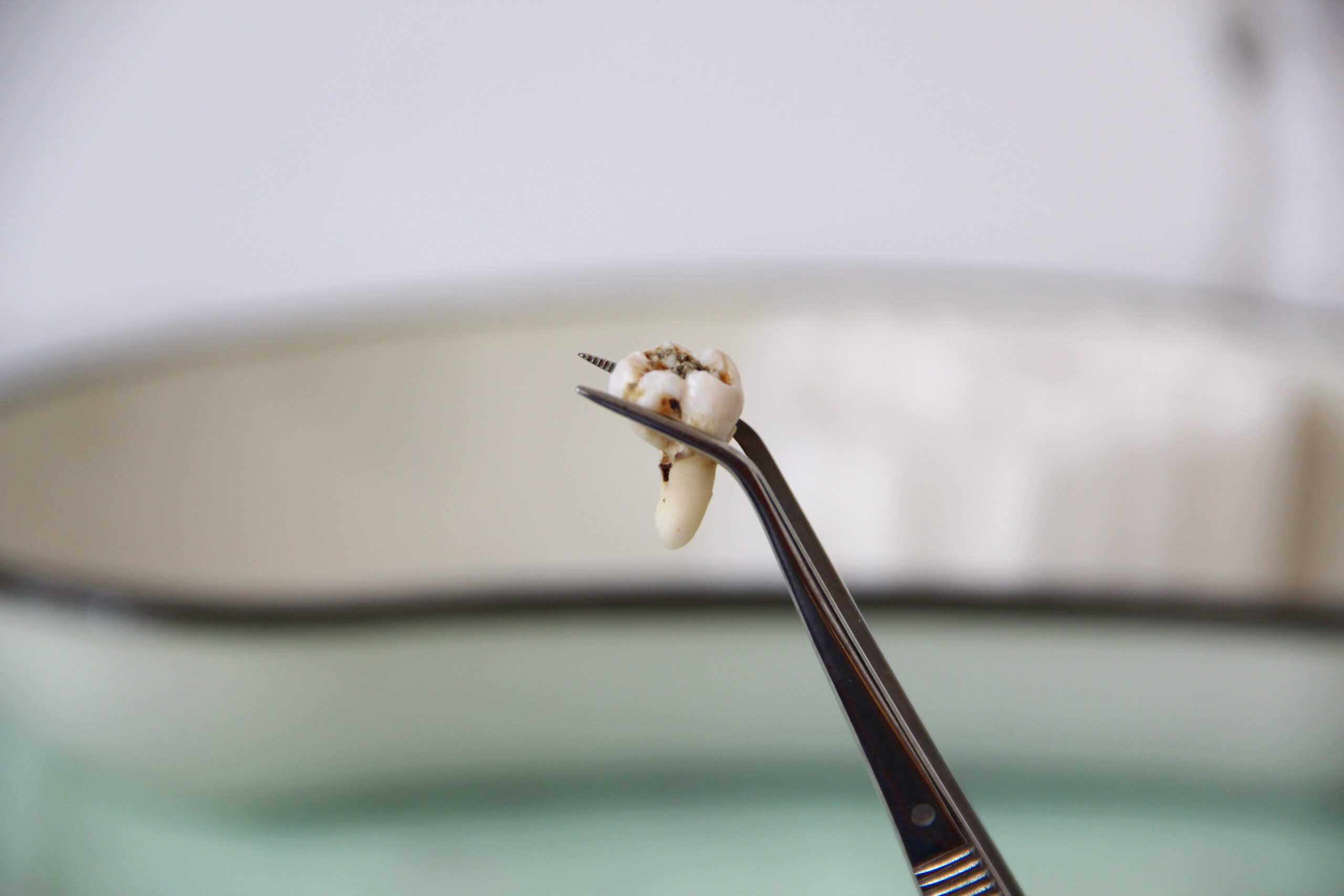
In some cases, halitosis may be linked to gum disease or tooth decay. These conditions create environments where bacteria can accumulate and produce odors. Like many dental concerns, these issues may develop gradually and should not be ignored .
Effective Treatments for Halitosis
There are several effective treatments for halitosis, and the right approach depends on the underlying cause.
Improving oral hygiene is often the first step. Brushing twice a day, flossing daily, and cleaning the tongue can significantly reduce odor-causing bacteria. Using an antibacterial mouthwash can also help control bacterial growth.
For individuals with dry mouth, increasing water intake and using saliva substitutes or sugar-free gum can stimulate saliva production. Addressing dry mouth is an important part of long-term treatments for halitosis.
If gum disease or tooth decay is present, professional dental treatment is necessary. Procedures such as deep cleaning, fillings, or other restorative treatments can eliminate the source of the odor.
Dietary adjustments may also play a role. Reducing intake of odor-causing foods and maintaining a balanced diet can support fresher breath.
When to See a Dentist
If bad breath persists despite good oral hygiene, it’s important to seek professional care. Chronic halitosis may indicate more serious issues that require targeted treatments for halitosis.
A dentist can perform a thorough evaluation to identify the cause and recommend the most effective solution. Early diagnosis not only improves breath but also protects overall oral health.
The Importance of Preventive Care
Preventive care is essential in managing and avoiding halitosis. Regular dental checkups allow for early detection of problems such as gum disease or decay before they worsen.
By maintaining consistent oral hygiene habits and addressing issues early, patients can reduce their need for more advanced treatments for halitosis in the future.
Why Choose Belleview Dental Associates
At Belleview Dental Associates, we understand that halitosis can impact your confidence and quality of life. Our team takes a comprehensive approach to diagnosing and providing effective treatments for halitosis tailored to each patient.
We focus on identifying the root cause and offering solutions that promote long-term oral health. With advanced technology and personalized care, we are committed to helping you achieve fresh breath and a healthy smile.
Conclusion
Halitosis is a common condition with a variety of potential causes, ranging from poor oral hygiene to underlying dental or medical issues. Fortunately, there are many effective treatments for halitosis that can address the problem and restore confidence.
At Belleview Dental Associates, we are here to help you identify the cause of bad breath and provide the care you need for lasting results. If you’re experiencing persistent halitosis, don’t wait—schedule an appointment today and take the first step toward fresher breath.
Frequently Asked Questions
What is the main cause of halitosis?
The most common cause is the buildup of bacteria in the mouth due to poor oral hygiene.
Can halitosis be cured permanently?
With proper care and the right treatments for halitosis, many cases can be effectively managed or resolved.
Does mouthwash help with halitosis?
Yes, antibacterial mouthwash can be part of effective treatments for halitosis, but it should be combined with good oral hygiene.
When should I see a dentist for bad breath?
If bad breath persists despite regular brushing and flossing, it’s time to seek professional evaluation.