Healthy gums are essential for maintaining a strong and confident smile. However, many people overlook the early changes in their gum health until discomfort or visible damage begins to appear. Recognizing the signs of gum recession early can help prevent long-term dental complications and protect your overall oral health.
Gum recession occurs when the gum tissue surrounding the teeth begins to pull away or wear down, exposing more of the tooth and sometimes even the root. Since gum tissue does not naturally grow back, early prevention and treatment are extremely important.
At Belleview Dental Associates, patient education and preventive care are key parts of maintaining healthy smiles. Understanding the signs of gum recession allows patients to take action before the condition becomes more serious.
What Is Gum Recession?
Gum recession is a gradual process in which the gum line moves away from the teeth. As this happens, small gaps may form between the gums and teeth, creating spaces where bacteria can collect.
Over time, untreated recession may lead to:
- Tooth sensitivity
- Increased risk of decay
- Gum inflammation
- Bone loss
- Tooth loss
Many people do not notice the condition right away because gum recession often develops slowly. Learning to identify the early signs of gum recession can make a major difference in preserving your oral health.
Common Signs Of Gum Recession
One of the earliest and most noticeable signs of gum recession is increased tooth sensitivity. When the roots of the teeth become exposed, they are more vulnerable to hot, cold, sweet, or acidic foods and drinks.
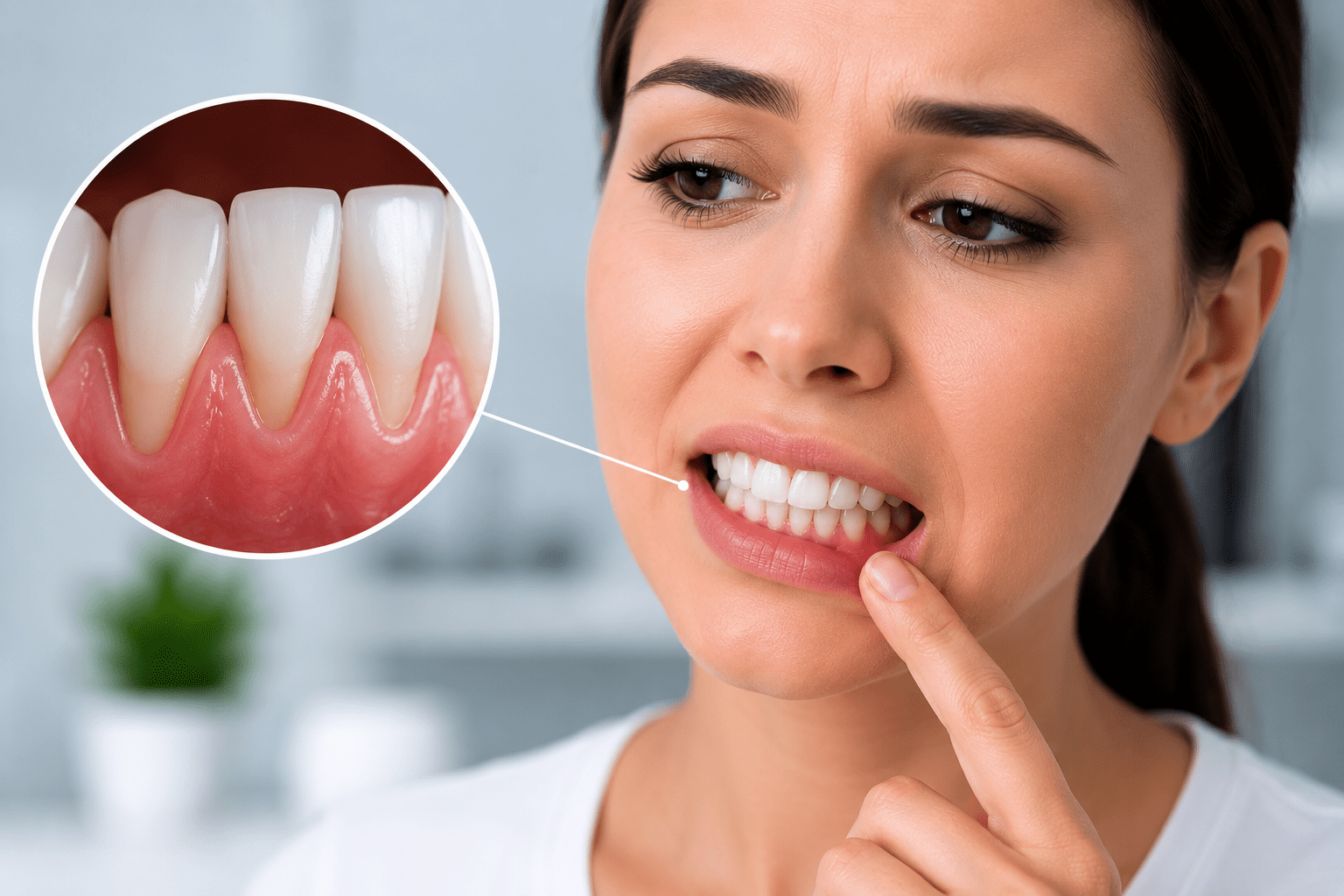
Some patients also notice that their teeth appear longer than before. This visual change occurs because the gum tissue has pulled back, exposing more of the tooth surface.
Another common symptom is visible tooth roots. Unlike enamel, roots often appear darker or more yellow near the gum line. Exposed roots are more prone to sensitivity and decay.
Bleeding gums are another warning sign that should never be ignored. If your gums bleed while brushing or flossing, it may indicate inflammation or early gum disease, both of which can contribute to recession.
Persistent bad breath may also signal gum problems. As gums recede, deeper pockets can form where plaque and bacteria accumulate, leading to odor and infection.
Recognizing these signs of gum recession early allows patients to seek treatment before significant damage occurs.
What Causes Gum Recession?
There are several factors that may contribute to gum recession, and understanding these causes can help reduce your risk.
Aggressive Brushing
Brushing too hard or using a hard-bristled toothbrush can gradually wear down gum tissue and enamel. Gentle brushing techniques are much safer for long-term gum health.
Gum Disease
Periodontal disease is one of the leading causes of gum recession. Bacteria and plaque buildup can damage both gum tissue and supporting bone if left untreated.
Teeth Grinding
Grinding or clenching your teeth places excessive pressure on the gums and teeth, which may contribute to recession over time.
Hormonal Changes
Hormonal fluctuations during pregnancy, menopause, or puberty can make gums more sensitive and vulnerable to irritation.
Tobacco Use
Smoking and tobacco products reduce blood flow to the gums and increase the risk of infection, making it more difficult for gum tissue to heal properly.
Genetics
Some individuals are naturally more prone to thinner gum tissue, which may increase the likelihood of developing recession even with good oral hygiene habits.
How To Prevent Gum Recession
Preventive care plays a major role in protecting your gums and reducing the risk of developing serious dental issues.
Using a soft-bristled toothbrush and gentle brushing motions can help protect gum tissue from unnecessary irritation. Brushing twice daily and flossing regularly helps remove plaque and bacteria before they can cause inflammation.
A balanced diet rich in vitamins and minerals also supports healthy gums. Nutrients such as vitamin C, calcium, and vitamin D contribute to stronger oral tissues and improved healing.
Regular dental visits are equally important. Professional cleanings remove hardened plaque that cannot be eliminated through brushing alone, while routine exams help identify early signs of gum recession before the condition worsens.
Patients who grind their teeth may benefit from wearing a custom night guard to reduce pressure on the teeth and gums during sleep.
At Belleview Dental Associates, preventive dentistry focuses on helping patients maintain healthy gums through education, regular care, and early intervention.
Treatment Options For Gum Recession
If gum recession has already developed, treatment options are available to help prevent further damage and improve oral health.
For mild to moderate cases, dentists may recommend scaling and root planing, a deep-cleaning procedure that removes plaque and bacteria below the gum line.
In more advanced cases, gum grafting may be recommended to restore lost tissue and protect exposed roots. Bonding treatments may also help cover sensitive areas and reduce discomfort.
The right treatment depends on the severity of the recession and the underlying cause.
When To See A Dentist
Because gum recession often develops gradually, many patients delay treatment until symptoms become more noticeable. However, early care can help prevent more extensive dental problems.
You should schedule a dental evaluation if you notice:
- Increased tooth sensitivity
- Bleeding gums
- Teeth appearing longer
- Persistent bad breath
- Visible roots near the gum line
Addressing the signs of gum recession early can help preserve your natural teeth and improve long-term oral health.
Conclusion
Recognizing the signs of gum recession is an important step toward protecting your smile and preventing future dental complications. Symptoms such as sensitivity, bleeding gums, visible roots, and changes in the appearance of your teeth should never be ignored.
The good news is that gum recession is often manageable with proper oral hygiene, healthy habits, and regular dental care. Early intervention can slow progression, reduce discomfort, and help maintain healthy gums for years to come.
At Belleview Dental Associates in Littleton, CO, patient education and preventive dentistry are central to helping individuals maintain strong, healthy smiles. Staying proactive about your gum health today can make a lasting difference in your oral health tomorrow.
Frequently Asked Questions
Can gum recession grow back naturally?
No, gum tissue does not naturally regenerate once it has receded. However, professional treatments can help prevent further damage and protect exposed areas.
What are the first signs of a gum recession?
Some of the earliest signs of gum recession include tooth sensitivity, bleeding gums, and teeth appearing longer than normal.
Is gum recession always caused by poor oral hygiene?
Not always. Genetics, hormonal changes, aggressive brushing, grinding, and tobacco use can also contribute to gum recession.
Can brushing too hard damage gums?
Yes. Aggressive brushing can wear away gum tissue and enamel over time, increasing the risk of recession.
How can I prevent a gum recession?
Good oral hygiene, regular dental visits, gentle brushing techniques, and avoiding tobacco products can all help protect your gums.
Is the gum recession serious?
If left untreated, gum recession can lead to tooth sensitivity, decay, bone loss, and even tooth loss. Early treatment is important for preventing complications.