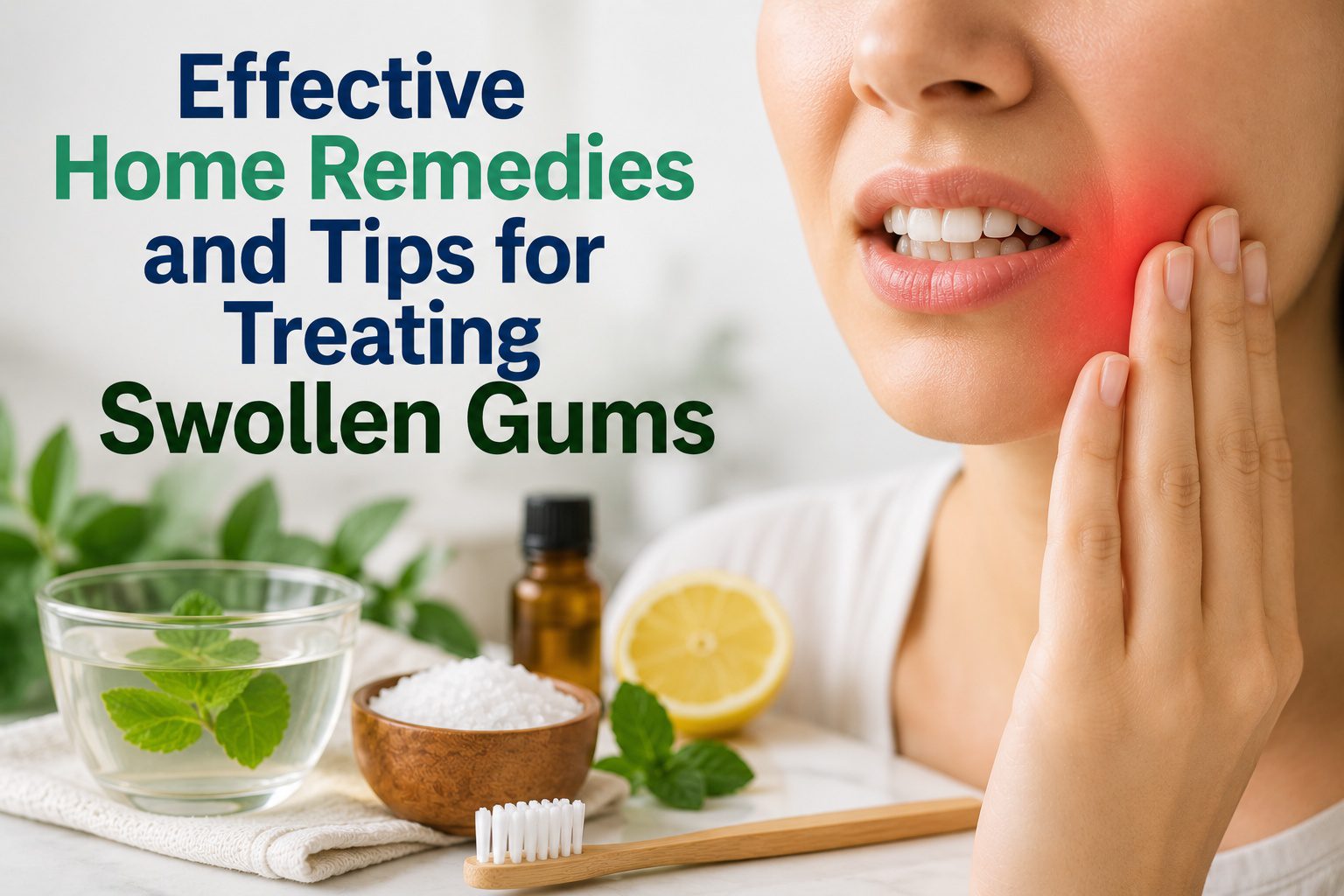
Swollen gums can be uncomfortable, distracting, and even painful, affecting your ability to eat, speak, or smile confidently. While professional dental care is essential for serious issues, there are several home-based strategies you can use to reduce inflammation and support gum health. Understanding the underlying causes of gum swelling is the first step to effective treatment.
At Belleview Dental Associates, we emphasize preventive care and patient education, helping individuals identify causes and apply safe, effective remedies for common gum concerns.
Understanding the Causes of Swollen Gums
Swelling in the gums is often a sign of inflammation, which can result from a variety of factors. One of the most common causes is inadequate oral hygiene. Skipping brushing or flossing allows plaque and bacteria to accumulate along the gum line, leading to irritation and swelling. Consistent oral care is key to preventing this build-up.
Gum disease, including gingivitis and periodontitis, is another major contributor. Early-stage gingivitis is reversible but can progress if left untreated, causing persistent swelling, bleeding, and potential tooth loss. Hormonal changes during puberty, pregnancy, menstruation, or menopause can also make gums more sensitive and prone to swelling. Overzealous brushing with a hard-bristled toothbrush may further irritate the gums, as can dietary choices high in sugar and acidic foods. Smoking is an additional factor that negatively affects gum health and increases inflammation.
Effective Oral Hygiene Techniques
Proper brushing and flossing are fundamental to reducing gum swelling. Start by selecting a soft-bristled toothbrush to minimize irritation. Hold the brush at a 45-degree angle to the gum line and use gentle, circular motions to massage the gums and clean the teeth without causing damage. Avoid vigorous back-and-forth scrubbing, which can worsen inflammation and contribute to gum recession.
Brushing for at least two minutes per session, twice daily, is recommended. Dividing your mouth into quadrants and spending around 30 seconds on each section ensures thorough cleaning. Flossing daily is equally important, as it removes plaque and debris between teeth that a toothbrush cannot reach. Completing your routine with an antimicrobial mouthwash can help reduce bacteria and further protect your gums.
Regular dental check-ups are essential to monitor gum health, remove hardened plaque (tartar), and identify potential problems before they escalate.
Home Remedies for Swollen Gums
Several natural remedies can complement proper oral hygiene to reduce swelling and soothe discomfort:
- Salt Water Rinse: Gargling with warm salt water acts as a mild antiseptic, helping to reduce inflammation and kill bacteria. Dissolve a teaspoon of salt in a cup of warm water and swish it in your mouth for 30 seconds before spitting it out.
- Crunchy Fruits and Vegetables: Foods like apples, carrots, and celery act as natural brushes, stimulating the gums and helping to remove plaque. They also provide essential vitamins for gum health.
- Clove Applications: Cloves contain eugenol, which has natural antiseptic and numbing properties. Chewing a clove or applying a small amount of clove oil can help reduce pain and inflammation.
- Herbal Rinses: Mint and other herbs have antibacterial properties that help maintain oral hygiene. Boil leaves in water, let the mixture cool, and use it as a gentle mouth rinse.
- Green Tea: Swapping coffee for green tea can help reduce plaque and bacteria thanks to its antioxidant properties.
- Dairy Products: Cheese, milk, and yogurt help strengthen enamel and neutralize acids, indirectly supporting gum health.
- Hydration: Drinking plenty of water maintains saliva production, which is crucial for washing away food particles and neutralizing acids in the mouth.
Lifestyle Habits to Support Gum Health
In addition to hygiene and home remedies, lifestyle choices can impact gum health. Reducing smoking and alcohol consumption, managing stress, and maintaining a balanced diet with adequate vitamins and minerals are all beneficial. Limiting sugary and acidic foods reduces irritation and plaque formation, while regular exercise and stress management can indirectly improve gum health by supporting overall immunity and circulation.
When to Seek Professional Care
While mild gum swelling can often be managed at home, persistent or severe inflammation may signal a more serious condition, such as advanced gum disease or infection. Bleeding gums, receding gum lines, persistent bad breath, or pain should prompt a dental visit. Early intervention can prevent complications such as tooth loss, bone damage, or systemic health issues associated with untreated gum disease.
Conclusion
Swollen gums are a common issue that signals your body needs attention to maintain oral health. By identifying the cause and adopting proper oral hygiene, natural remedies, and supportive lifestyle habits, you can manage swelling and protect your smile.
At Belleview Dental Associates, our focus is on educating patients to prevent and treat common dental concerns safely at home while emphasizing regular professional care for long-term oral health. Incorporating these strategies consistently can help you maintain healthy, pink gums and a confident smile.
Frequently Asked Questions
1. Can swollen gums heal on their own?
Mild swelling due to temporary irritation or hormonal changes may improve with good oral hygiene and home care. Persistent swelling requires professional evaluation.
2. Are salt water rinses effective for gum swelling?
Yes. Salt water rinses have natural antiseptic properties that help reduce inflammation and kill bacteria.
3. Can diet affect gum health?
Absolutely. Consuming high sugar or acidic foods can promote plaque buildup and gum irritation, while crunchy fruits, vegetables, and dairy products can support healthy gums.
4. How often should I see a dentist for gum swelling?
Regular check-ups every six months are recommended. If swelling or bleeding persists, schedule an appointment sooner to prevent complications.
5. Can brushing too hard cause swollen gums?
Yes. Overzealous brushing can irritate and inflame gum tissue, contributing to swelling and potential gum recession.