Noticing a small flap or fold of loose gum tissue near a tooth — whether it’s between your front teeth, behind a molar, or around a wisdom tooth — is unsettling, but it’s also a fairly common finding with a few well-understood causes. What matters is figuring out which one you’re dealing with, since the right response ranges from simple home care to a same-week dental visit.
What a Gum Flap Actually Is
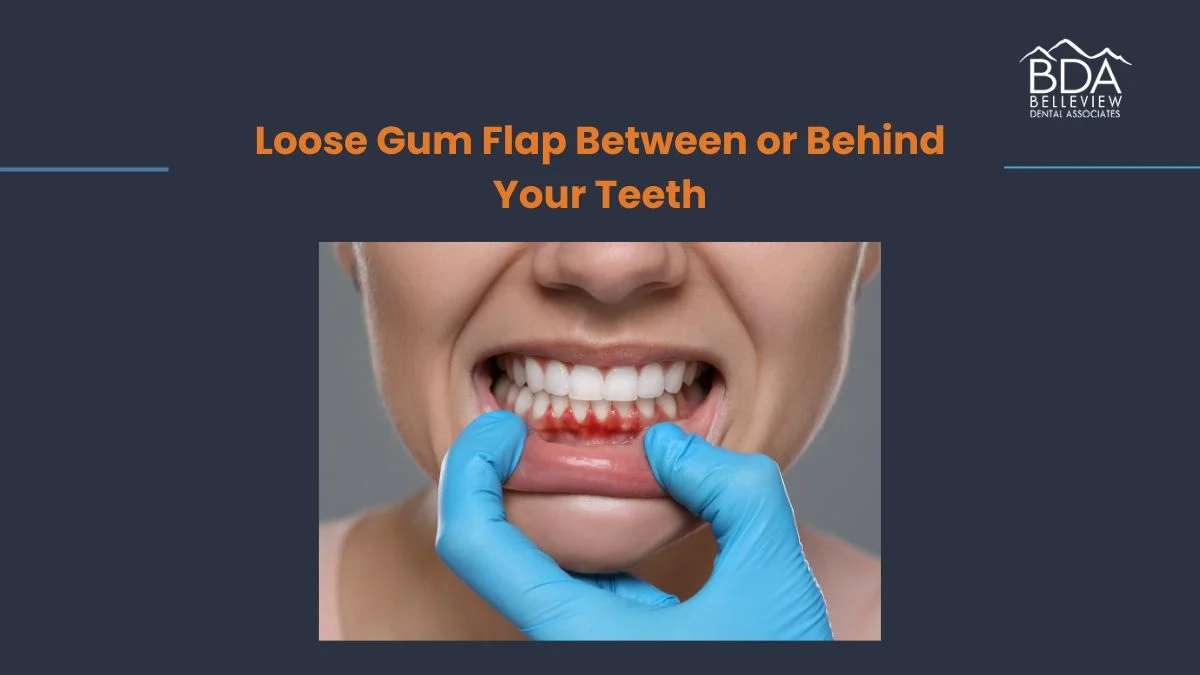
A gum flap like this is a fold of gum tissue that has either partially detached from a tooth or is partially covering a tooth that hasn’t fully emerged. Either way, it creates a small pocket where food particles and bacteria can collect — which is exactly why these flaps tend to become irritated or infected if left alone.
The Most Common Cause: A Partially Erupted Wisdom Tooth
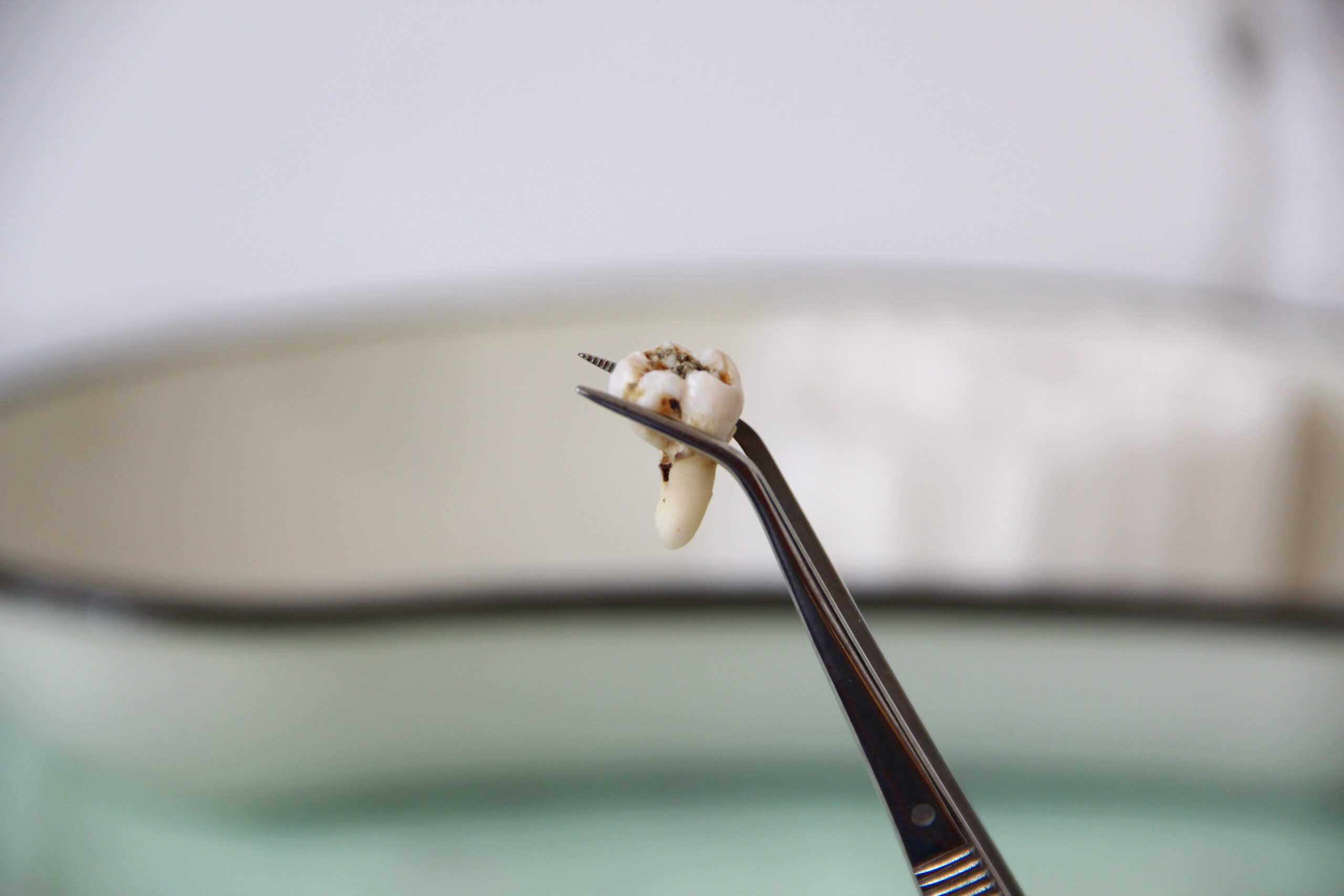
When a wisdom tooth comes in only partway, a flap of gum tissue called an operculum can form over the exposed portion, trapping debris underneath and leading to a condition called pericoronitis. Acute pericoronitis can cause significant pain, swelling, fever, pus, and difficulty swallowing or opening your mouth fully. Chronic, low-grade cases tend to show up as milder recurring soreness, bad breath, or an unpleasant taste. It’s most common in people in their twenties, and risk increases with poor oral hygiene, excess gum tissue, or a weakened immune response.
Other Causes Behind Front and Back Teeth
Not every case like this involves a wisdom tooth. Gum (periodontal) disease can cause tissue to detach from a tooth as infection and inflammation progress. A healing extraction socket can also leave a temporary flap of tissue as the area closes. Trauma, an ill-fitting filling or crown, and even orthodontic tooth movement can all create similar-looking flaps in other parts of the mouth.
When to Treat It at Home vs. When to See a Dentist
Mild, low-grade irritation can often be managed at home with warm salt water rinses three to four times a day, gentle brushing around the area, and an antibacterial mouthwash. But you should see a dentist promptly if you notice swelling spreading toward your face or jaw, fever, pus or a foul taste, difficulty swallowing or fully opening your mouth, or pain that persists beyond a few days — these are signs of an active infection that needs professional treatment.
Professional Treatment Options
Dental irrigation and cleaning: flushes out trapped debris and bacteria from underneath the flap.
Oral antibiotics: may be prescribed if there are signs of active infection.
Operculectomy: a minor procedure to surgically remove a recurring gum flap over a partially erupted tooth.
Wisdom tooth extraction: is often recommended if the impacted tooth itself is the root cause and pericoronitis keeps returning.
Periodontal treatment: addresses gum disease directly when that’s the underlying cause rather than a wisdom tooth.
Frequently Asked Questions
Q: How to fix a loose gum flap?
Treatment depends on the cause: mild irritation often improves with warm salt water rinses and better hygiene around the area, while a flap tied to a partially erupted wisdom tooth or gum disease typically needs professional treatment.
A dentist can determine the cause quickly and recommend anything from a simple cleaning to a minor procedure like an operculectomy or, in some cases, wisdom tooth extraction.
Q: Will a gum flap go away on its own?
A mild flap caused by simple irritation may calm down with consistent home care, but a flap caused by a partially erupted tooth or gum disease typically will not resolve on its own.
With treatment, acute pericoronitis often resolves within a week or two, but without treatment it can develop into a more serious infection or become a recurring, chronic problem.
Q: Will a loose gum flap reattach?
Gum tissue that has genuinely detached or receded generally will not reattach on its own without professional treatment.
Deep cleaning, periodontal treatment, or in some cases a minor surgical procedure can restore healthier gum positioning, but it’s not something that happens naturally once tissue has pulled away.
Q: Can loose gums tighten back up?
Mild gum inflammation can improve and tighten with better hygiene and professional cleaning, but gums that have receded due to advanced gum disease generally need periodontal treatment to improve, not time alone.
Catching gum irritation early gives you the best odds of resolving it with cleaning and improved home care, rather than needing a more involved procedure later.
Conclusions
A flap like this is rarely an emergency, but it’s also not something to ignore indefinitely — especially if it keeps flaring up or shows any sign of infection.
If you’ve noticed a gum flap that won’t settle down, Belleview Dental Associates in Littleton offers gum treatment and can identify the cause and the right next step at one visit.