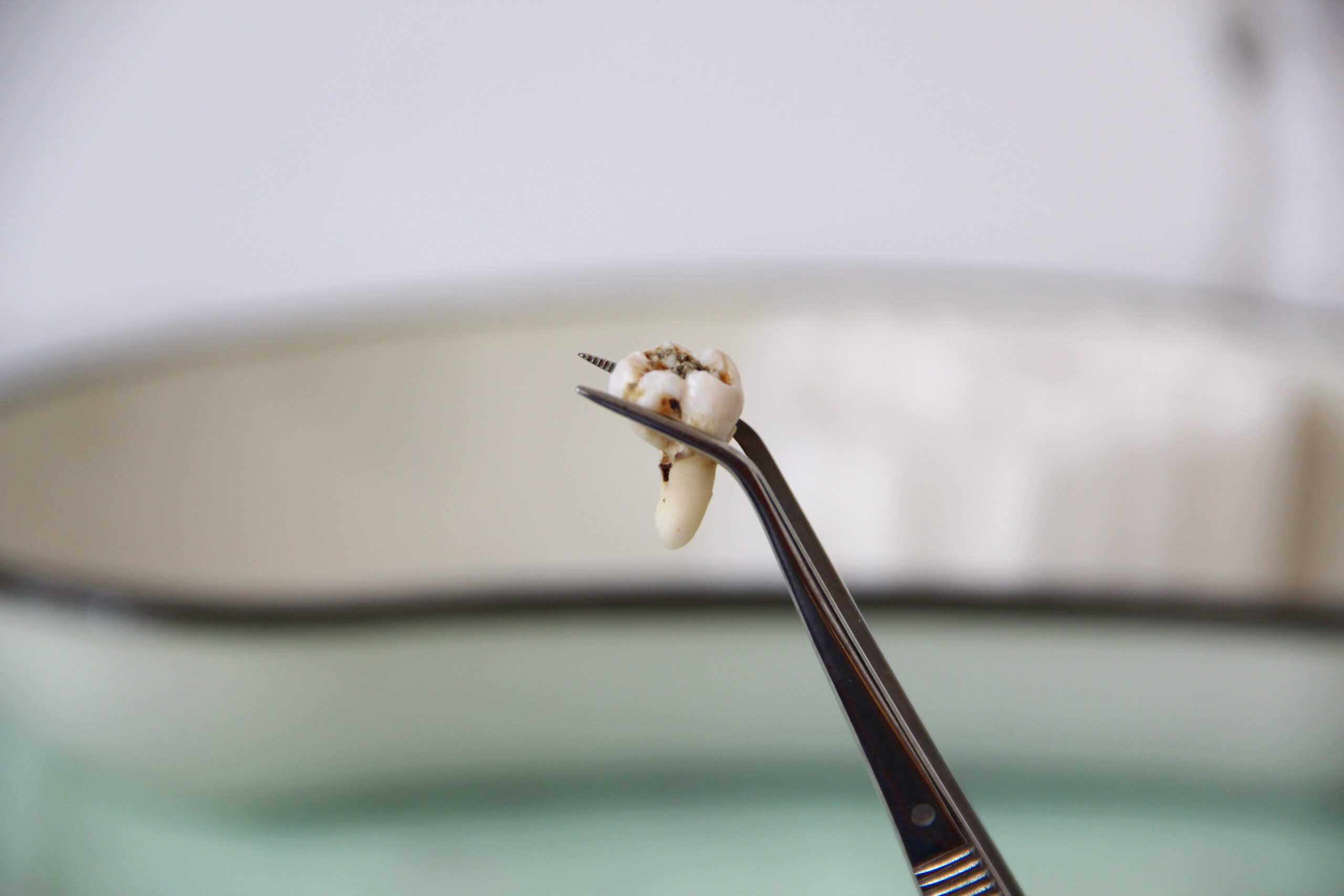
In most cases, a dental crown is recommended after a root canal, but it is not always mandatory. At Belleview Dental Associates in Littleton, CO, we assess each tooth individually to determine whether a crown is necessary based on its location, strength, and long-term function.
A root canal saves a tooth by removing infected pulp, relieving pain, and stopping the spread of infection. However, the procedure also changes the internal structure of the tooth, which is why additional protection is often needed afterward.
Why Teeth Are More Vulnerable After a Root Canal
Once the pulp is removed, the tooth no longer has a blood supply. Over time, this causes the tooth to become more brittle and less flexible. While it may look intact, it is structurally weaker and more prone to cracking, especially when chewing.
A dental crown restores strength by fully covering the tooth, allowing it to function normally while protecting it from fracture.
When a Crown Is Usually Necessary
At Belleview Dental Associates, we typically recommend a crown after a root canal if:
- The Tooth Is a Molar or Premolar: Back teeth handle the majority of chewing forces. Without a crown, these teeth are at high risk of splitting, which can make them non-restorable.
- There Is Significant Tooth Structure Loss: If decay, cracks, or previous fillings removed a large portion of the tooth, a crown is essential for stability.
- The Tooth Has Had Previous Dental Work: Teeth with multiple fillings or restorations are structurally compromised and benefit greatly from full coverage.
- You Want Long-Term Protection: Studies show root canal–treated teeth with crowns last significantly longer than those without.
When a Crown May Not Be Required
There are situations where a crown may not be immediately necessary. Front teeth, such as incisors and canines, experience less chewing pressure. If a front tooth has minimal decay and retains most of its natural structure, a bonded filling may be sufficient.
In other cases, a crown may be temporarily delayed due to healing, treatment planning, or insurance timing. Even then, placing a crown later is usually recommended to prevent future damage.
What Happens If You Skip the Crown?
Without a crown, a root canal–treated tooth is more likely to fracture. These fractures often occur suddenly while chewing and may extend below the gum line. When this happens, the tooth frequently cannot be saved and must be extracted.
Choosing not to place a crown may seem like a short-term cost savings, but it often leads to more complex and expensive treatments later, such as implants or bridges.
Is Getting a Crown Painful?
Most patients find that getting a crown is easier and more comfortable than the root canal itself. Modern techniques, precise digital impressions, and effective local anesthesia make the process smooth and predictable.
At Belleview Dental Associates, crowns are custom-designed to fit comfortably and blend naturally with your smile.
How Soon Should a Crown Be Placed?
Ideally, a crown should be placed within a few weeks after a root canal, particularly for back teeth. Waiting too long increases the risk of cracking or reinfection. If timing or cost is a concern, our Littleton dental team will help you create a plan that protects your tooth safely.
How Long Will a Crowned Tooth Last?
With proper oral hygiene and regular dental visits, a root canal–treated tooth protected by a crown can last 10 to 20 years or longer. Avoiding habits like teeth grinding and chewing on hard objects can significantly extend its lifespan.
Final Thoughts
A crown is not always required after a root canal, but in most cases, it is the best way to protect your tooth long-term. Especially for back teeth, a crown can mean the difference between preserving your natural tooth and losing it years later.
If you have questions about crowns or root canal treatment, Belleview Dental Associates in Littleton, CO is here to provide clear guidance, personalized care, and long-lasting solutions.
Frequently Asked Questions
Q: Is it possible for a root canal tooth to survive without a crown?
A: Yes, in some cases—particularly for front teeth with minimal damage. However, most teeth last significantly longer when protected with a crown.
Q: How long can I wait before getting a crown after a root canal?
A: While a short delay is sometimes acceptable, waiting several months increases the risk of fracture. For molars, crowns should be placed as soon as reasonably possible.
Q: Will my insurance cover a crown after a root canal?
A: Many dental insurance plans partially cover crowns because they are considered a necessary restoration. Coverage varies, and our team can help you understand your benefits.
Q: Can a crown be placed the same day as the root canal?
A: In some cases, yes. However, many crowns are placed after the tooth has healed and a permanent restoration can be properly fitted.
Q: What happens if my crown tooth still hurts?
A: Mild sensitivity after treatment is normal, but persistent pain, swelling, or pressure should be evaluated promptly. Our team will assess the tooth and address any concerns.