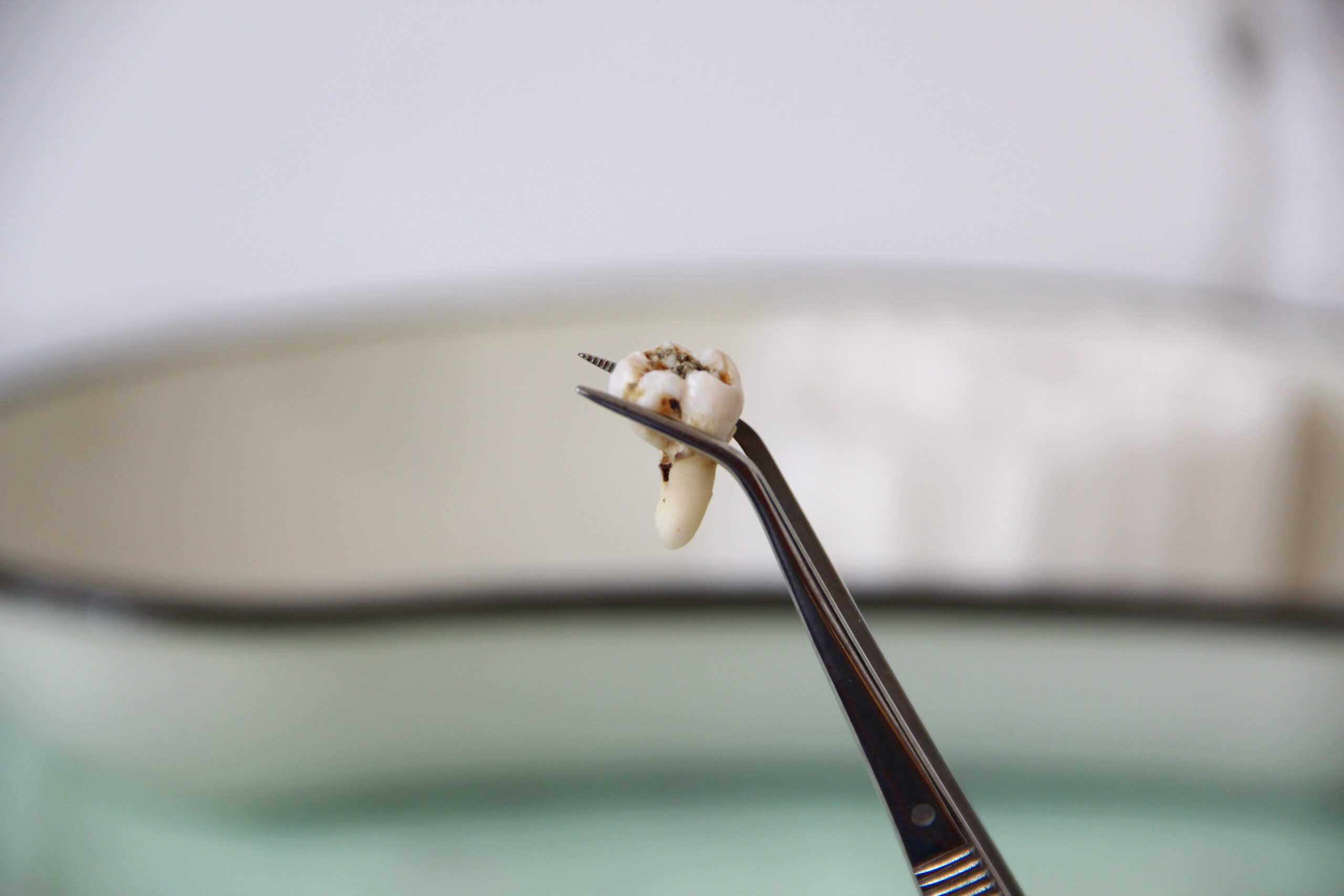
Reaching for a cough drop when your throat is scratchy feels harmless — it’s medicine, after all. So do cough drops cause cavities? Nutritionally and chemically, many cough drops behave a lot more like hard candy than like a treatment and using them constantly through a bad cold can genuinely raise your cavity risk.
Why Cough Drops Are Riskier Than They Seem
Most traditional cough drops use sugar or corn syrup as their base and because they’re designed to dissolve slowly over several minutes, they bathe your teeth in sugar for far longer than a quick snack would. Oral bacteria feed on that sugar and produce acid as a byproduct. Its repeated, prolonged acid exposure — not a single event — that erodes enamel and creates cavities.
It’s Not Just Sugar — Acidity Matters Too
Many citrus- or menthol-flavored drops also contain citric acid for flavor, which can erode enamel directly, independent of the sugar content. That means even some sugar-containing drops carry a double dose of risk: bacterial acid production plus direct acid exposure from the drop itself.
Sugar-Free Doesn’t Always Mean Risk-Free
Sugar-free doesn’t automatically mean tooth-friendly — some sugar-free drops are still flavored with acidic ingredients. The exception is drops sweetened specifically with xylitol, which doesn’t feed cavity-causing bacteria the way sugar does and has some evidence of actively reducing bacterial activity in the mouth. Checking the label for xylitol as the sweetener is worth the extra ten seconds.
How Much Is Too Much? Realistic Cold-Season Habits
An occasional cough drop isn’t a meaningful cavity risk. The concern is frequency — using multiple drops throughout the day for a week or more during a bad cold, especially right before bed when saliva production naturally drops and your mouth has less ability to rinse away sugar and acid overnight.
How to Protect Your Teeth During Cold Season
Choose xylitol-sweetened, sugar-free drops: when possible, especially if you’ll be using them frequently.
Don’t let a drop sit in one spot: shift it around your mouth rather than parking it against the same tooth for the whole time it dissolves.
Drink water alongside them: to help rinse away sugar and acid between doses.
Avoid cough drops right before bed: when reduced saliva flow overnight gives bacteria more uninterrupted time to work.
Wait about 30 minutes before brushing: after an acidic drop, since brushing immediately can spread softened enamel rather than protect it.
Frequently Asked Questions
Q: Is it bad to use cough drops every day?
Occasional daily use during a short illness is unlikely to cause real harm, but using several drops a day for an extended period raises your cavity risk meaningfully, especially with sugar-based drops.
If you find yourself needing cough drops constantly for more than a week or two, it’s also worth mentioning to a doctor, since that can signal something beyond a typical cold.
Q: What is the #1 cavity causing food?
Sticky, sugary foods that cling to teeth and dissolve slowly — like candy, dried fruit, and yes, many cough drops are generally considered the most cavity-promoting because of how long they keep sugar in contact with enamel.
It’s less about how much sugar something contains and more about how long it stays on your teeth, which is exactly why slow-dissolving cough drops carry more risk than people expect.
Q: What is the #1 cause of cavities?
Cavities are ultimately caused by acid-producing bacteria feeding on sugar left on the teeth, which gradually erodes enamel until a hole forms.
Frequency of sugar exposure, inconsistent brushing and flossing, dry mouth, and lack of fluoride all contribute to how quickly that process happens for a given person.
Q: Should you brush your teeth after a cough drop?
It’s fine to brush after a cough drop, but if the drop was acidic (citrus or menthol flavored), it’s better to rinse with water first and wait about 30 minutes before brushing.
Acid temporarily softens enamel, and brushing immediately afterward can do more damage than good. A water rinse in the meantime still helps clear away sugar and acid residue.
Conclusions
Cough drops aren’t something to avoid entirely during a cold, but treating them like the candy they often chemically resemble — instead of a harmless medicine — makes a real difference for your teeth over the course of a rough week.
If it’s been a while since your last cleaning and cold season has been rough on your teeth, Belleview Dental Associates in Littleton can check for any early damage before it becomes a bigger problem.