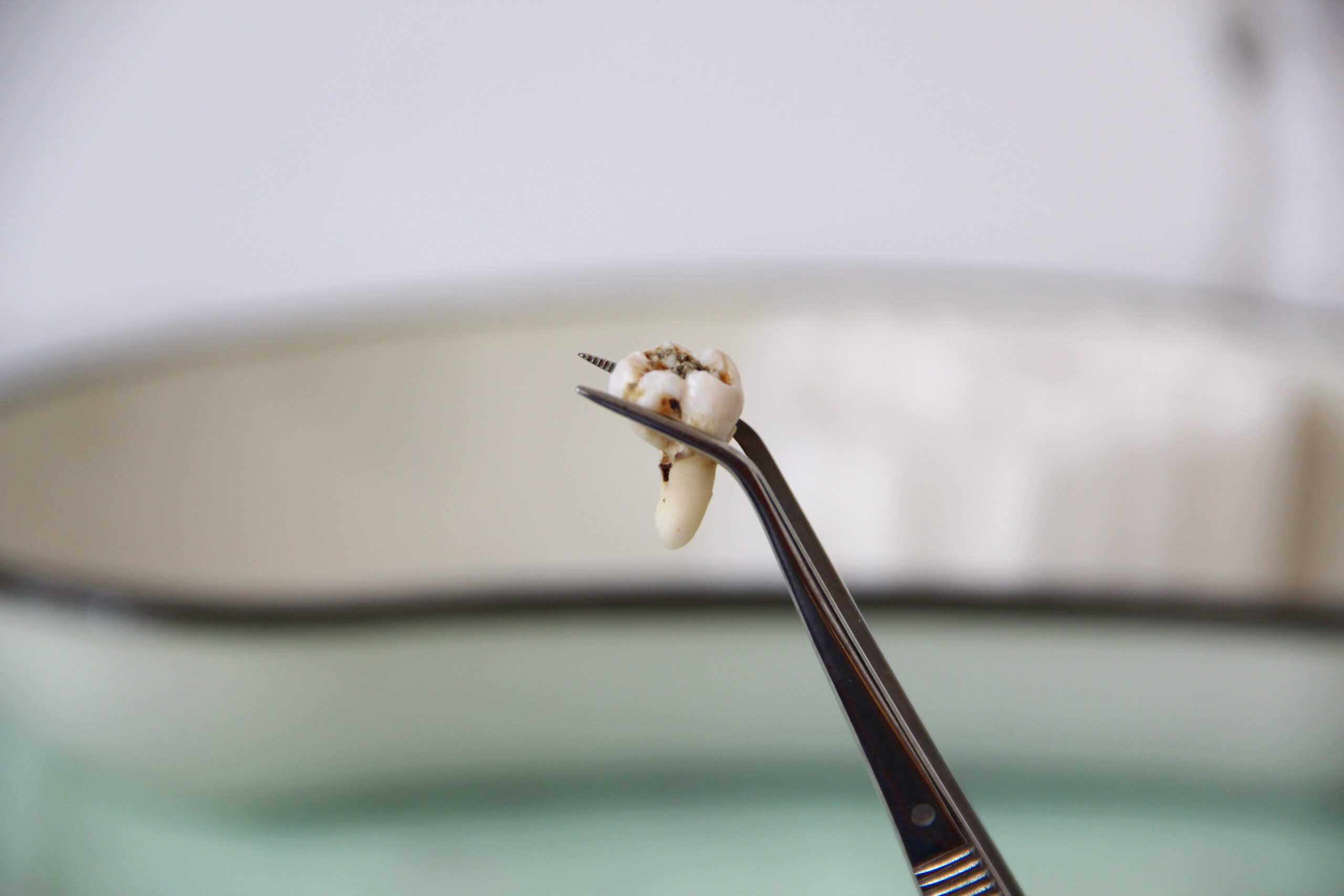
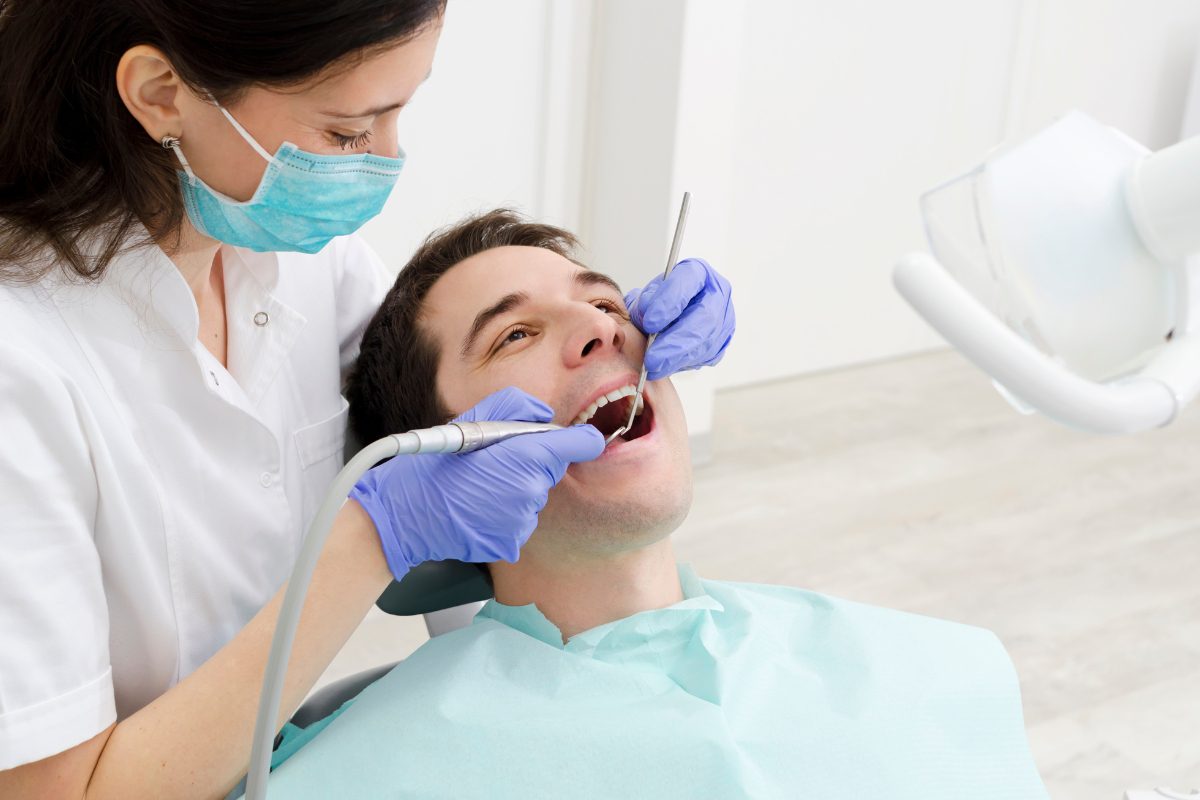
Preventing cavities is an important part of maintaining long-term oral health at any age. The chewing surfaces of molars and premolars naturally contain deep grooves and pits that are difficult to clean with brushing alone. These areas are especially vulnerable to plaque buildup and tooth decay. Without added protection, bacteria can easily settle into these grooves and begin damaging the enamel.
Dental sealants are thin, protective coatings applied to the chewing surfaces of back teeth to help prevent decay. Sealants act as a barrier, keeping food particles and bacteria out of hard-to-reach areas. They are a painless, non-invasive preventive treatment that can help reduce the risk of cavities and future dental procedures.
At Belleview Dental Associates in Littleton, CO, we offer dental sealants as part of a comprehensive preventive care approach to help patients protect their natural teeth and maintain healthier smiles.
What Are Dental Sealants?
Dental sealants are thin, durable coatings applied to the chewing surfaces of molars and premolars. These coatings fill in grooves and pits where food particles and bacteria commonly get trapped, making the teeth easier to clean.
Sealants are quick and comfortable to apply and provide an added layer of protection in areas most prone to cavities. When combined with regular brushing, flossing, and routine dental visits, sealants are an effective preventive solution for maintaining oral health.
Benefits of Dental Sealants
Help Prevent Cavities
Molars have uneven surfaces that are difficult to clean thoroughly. Sealants protect these areas by blocking bacteria and food debris, significantly lowering the risk of tooth decay.
Support Better Oral Hygiene
With smoother chewing surfaces, plaque is less likely to accumulate. This allows brushing to be more effective and helps maintain cleaner teeth between dental visits.
Quick and Comfortable Procedure
Applying sealants is simple and non-invasive. There is no drilling or anesthesia involved, making the process stress-free and easy to complete during a routine dental appointment.
Long-Lasting Protection
Sealants can last several years with proper care. During regular checkups, your dentist can monitor their condition and reapply them if necessary to ensure continued protection.
Who Can Benefit from Dental Sealants?
Dental sealants are beneficial for patients of many ages, not just children. Teens and adults with deep grooves in their molars, a history of cavities, or difficulty cleaning back teeth may benefit from sealants.
Patients who want added protection against decay may also find sealants helpful. At Belleview Dental Associates, we evaluate each patient’s oral health and cavity risk to determine whether sealants are a good preventive option.
Signs Sealants May Be a Good Option
Sealants may be recommended if you have:
- Deep grooves or pits in molars that trap food easily
- Frequent cavities despite good oral hygiene
- Early signs of enamel wear
- Difficulty keeping back teeth clean
Addressing these concerns early with dental sealants can help prevent more extensive dental treatments in the future.
How to Maintain Sealants and Healthy Teeth
Even with sealants, daily oral care remains essential. To maintain healthy teeth:
- Brush twice daily with fluoride toothpaste
- Floss once daily to remove plaque between teeth
- Limit sugary foods and drinks
- Attend regular dental checkups every six months
Sealants enhance protection but do not replace consistent oral hygiene or professional dental care.
Why Choose Belleview Dental Associates
At Belleview Dental Associates, we focus on preventive dentistry designed to support long-term oral health for patients in Littleton, CO. Our experienced dental team takes a personalized approach to care, ensuring treatments like sealants are recommended only when they provide meaningful benefit.
We use modern techniques and high-quality materials to ensure precise application and long-lasting results. Patient education is a priority, and we take time to explain how sealants work and how they fit into your overall oral health plan.
Conclusion
Dental sealants are a simple, effective, and painless way to help prevent cavities and protect vulnerable areas of the teeth. By creating a protective barrier over molars and premolars, sealants reduce the risk of decay and support better oral hygiene.
When combined with daily brushing, flossing, and regular dental visits, sealants can play an important role in preserving your natural smile.
At Belleview Dental Associates in Littleton, CO, we are committed to helping patients maintain healthy teeth through personalized preventive care. Contact our office today to find out whether dental sealants are right for you.
Frequently Asked Questions
Are dental sealants safe?
Yes, dental sealants are safe and widely used in preventive dentistry. They are made from durable, non-toxic materials and do not interfere with normal chewing or tooth function. Sealants simply add an extra layer of protection to the tooth surface.
Do sealants hurt when applied?
No, the process is completely painless. Sealants are applied without drilling or anesthesia and typically take only a few minutes per tooth. Most patients find the procedure quick and comfortable.
How long do dental sealants last?
Sealants can last anywhere from 3 to 10 years depending on wear and oral habits. During routine dental visits, your dentist will check their condition and recommend reapplication if needed. Proper care helps extend their lifespan.
Can sealants replace brushing and flossing?
No, sealants do not replace daily oral hygiene. Brushing and flossing are still essential to remove plaque and prevent decay on all tooth surfaces. Sealants work best when combined with consistent home care.
Who is a good candidate for dental sealants?
Patients with deep grooves in their molars, a history of cavities, or higher risk for tooth decay may benefit from sealants. A dental exam is the best way to determine if sealants are appropriate. Your dentist will provide a personalized recommendation based on your oral health needs.