A cracked tooth doesn’t always announce itself with obvious pain. In many cases, the symptoms are subtle, inconsistent, and easy to dismiss—until the damage becomes severe.
If you’re noticing sharp pain when biting, lingering sensitivity, or discomfort that comes and goes, these may be early cracked tooth symptoms that shouldn’t be ignored.
At Belleview Dental Associates in Littleton, CO, we help patients identify cracked teeth early, protect their natural teeth, and prevent complications that can lead to infection or tooth loss.
Understanding Cracked Teeth
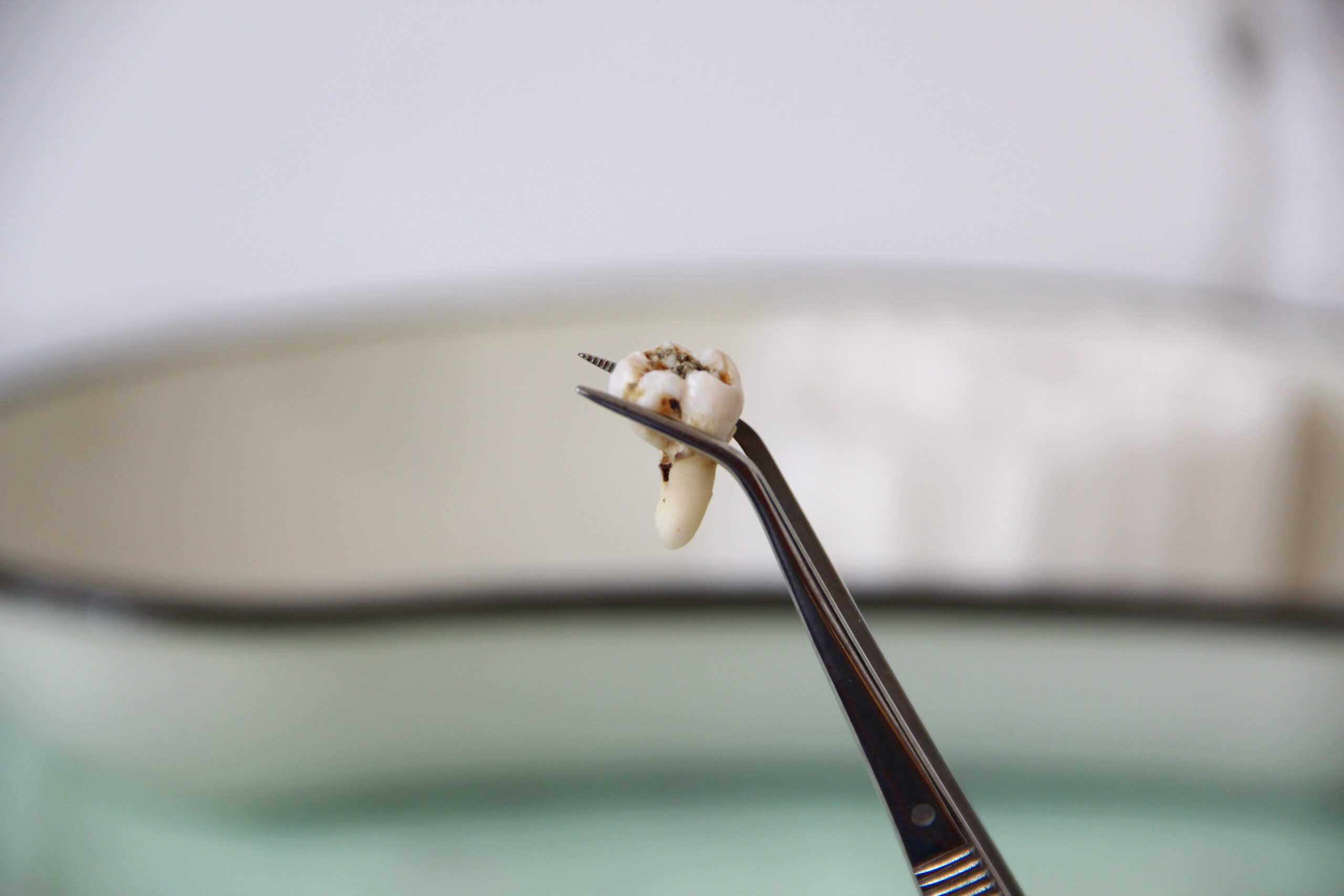
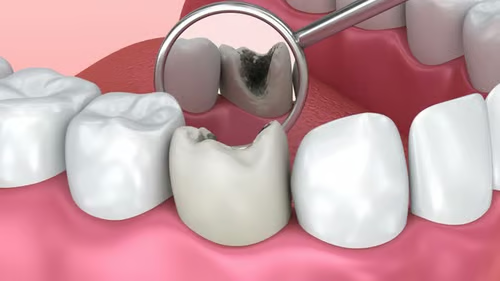
A cracked tooth occurs when a fracture develops in the enamel and may extend into the deeper layers of the tooth. Cracks can result from chewing hard foods, teeth grinding, large fillings, trauma, or natural wear over time.
Not all cracks are visible to the naked eye, which makes symptoms especially important for diagnosis. While some cracks remain minor, others can spread and threaten the tooth’s nerve or root if left untreated.
Understanding cracked tooth symptoms empowers you to seek care early—often making the difference between a simple restoration and more complex treatment.
Cracked Tooth Symptoms You Shouldn’t Ignore
Cracked tooth symptoms vary depending on the location and depth of the fracture, but several warning signs commonly appear.
Pain When Biting or Chewing
One of the most telling symptoms is sharp pain when biting down or releasing pressure. This happens because the crack flexes slightly, irritating the inner tooth structure. The pain often disappears quickly, making it easy to overlook.
Sensitivity to Hot or Cold
Increased sensitivity to temperature—especially lingering discomfort after exposure—can signal a crack allowing stimuli to reach the tooth’s inner layers. This sensitivity may come and go, unlike cavity-related sensitivity, which is usually consistent.
Sensitivity to Sweet Foods
If sugary foods suddenly cause discomfort, a crack may be exposing dentin or irritating the nerve. This symptom often appears alongside temperature sensitivity.
Intermittent or Unexplained Tooth Pain
Pain that appears without an obvious cause and disappears just as quickly is a classic cracked tooth symptom. Many patients struggle to pinpoint which tooth hurts, delaying diagnosis.
Swelling or Gum Irritation Near a Tooth
When a crack extends toward the root, bacteria can enter and cause inflammation or infection. Swelling, tenderness, or a small bump on the gums near the tooth may indicate a more serious issue.
If you’re experiencing any of these cracked tooth symptoms, schedule an evaluation with Belleview Dental Associates right away to prevent further damage.
Why Cracked Teeth Require Prompt Treatment
Ignoring cracked tooth symptoms can lead to worsening damage. What starts as a minor fracture can deepen, eventually reaching the pulp where nerves and blood vessels live.
Once the crack infects the pulp, treatment becomes more complex and may require root canal therapy, crown or tooth extraction. Early intervention often allows dentists to preserve more of the natural tooth with conservative solutions like crowns or bonding.
Prompt care protects not only your tooth but also your overall oral health.
Diagnosing a Cracked Tooth
Cracked teeth can be difficult to detect without professional evaluation. At Belleview Dental Associates, we use advanced diagnostic techniques to locate cracks that aren’t visible on standard exams.
Our approach may include:
- Detailed clinical examination
- Bite tests to identify pressure-related pain, cold test
- Digital X-rays to rule out infection or bone involvement
- Magnification tools to identify hairline fractures
Accurate diagnosis ensures the most effective and least invasive treatment plan.
Treatment Options for Cracked Teeth
Treatment depends on the severity and location of the crack.
- Dental bonding may be used for small, surface-level cracks
- Dental crowns protect and stabilize teeth with deeper fractures
- Root canal therapy is necessary if the pulp is affected
- Extraction may be required for severe cracks extending below the gumline
Our team focuses on preserving your natural tooth whenever possible while relieving pain and preventing future complications.
How to Reduce the Risk of a Cracked Tooth
While not all cracks are preventable, simple habits can significantly reduce your risk:
- Avoid chewing ice, hard candy, nuts and popcorn kernels
- Wear a nightguard if you grind your teeth
- Use protective mouthguards during sports
- Address cavities and large fillings early
- Maintain regular dental checkups
Preventive care plays a major role in avoiding cracked tooth symptoms altogether.
Why Choose Belleview Dental Associates
At Belleview Dental Associates, we understand how disruptive tooth pain can be—especially when symptoms are unpredictable. Our team is dedicated to providing accurate diagnosis, timely treatment, and personalized care for patients in Littleton, CO.
We combine advanced dental technology with years of clinical experience to identify cracked teeth early and treat them effectively. Every patient receives individualized recommendations based on their symptoms, lifestyle, and long-term oral health goals.
Patient education is central to our approach. We take time to explain your condition, treatment options, and preventive strategies so you feel confident in your care decisions. From diagnosis to recovery, we’re here to support your comfort and your smile.
Conclusion
Cracked tooth symptoms often appear subtly, but they should never be ignored. Pain when biting, sensitivity to temperature or sweets, and intermittent discomfort are all signs that warrant professional evaluation.
Early detection allows for simpler, more conservative treatment and helps preserve your natural tooth. Combined with good oral habits and regular dental visits, prompt attention to symptoms can protect your smile for years to come.
At Belleview Dental Associates in Littleton, CO, we’re committed to helping patients recognize cracked tooth symptoms early and receive expert care in a comfortable environment.
If you’re experiencing tooth pain or sensitivity, don’t wait. Contact Belleview Dental Associates today to schedule an evaluation and protect your oral health.
Frequently Asked Questions
Can a cracked tooth heal on its own?
No. Tooth enamel cannot heal once cracked. Professional treatment is necessary to prevent the crack from worsening.
Are cracked tooth symptoms always painful?
Not always. Some cracks cause no pain initially, which is why regular dental exams are important for early detection.
How is a cracked tooth different from a cavity?
Cavities usually cause consistent sensitivity, while cracked tooth symptoms often come and go and worsen with biting pressure.
Can I ignore a cracked tooth if the pain stops?
No. Even if symptoms fade temporarily, the crack remains and may worsen over time, increasing the risk of infection.
How soon should I see a dentist for cracked tooth symptoms?
As soon as possible. Early evaluation often prevents more invasive and costly treatments.