A dark spot on a tooth can mean a few very different things — a harmless surface stain, a sign of old trauma, or an active cavity that needs attention. Reaching for a whitening toothpaste is a reasonable first instinct, but it only works on one of those, and using it as your only plan can let a real problem sit unaddressed.
Here’s how to tell what you’re looking at, and what actually gets rid of it.
First, What Kind of Dark Spot Are We Talking About?
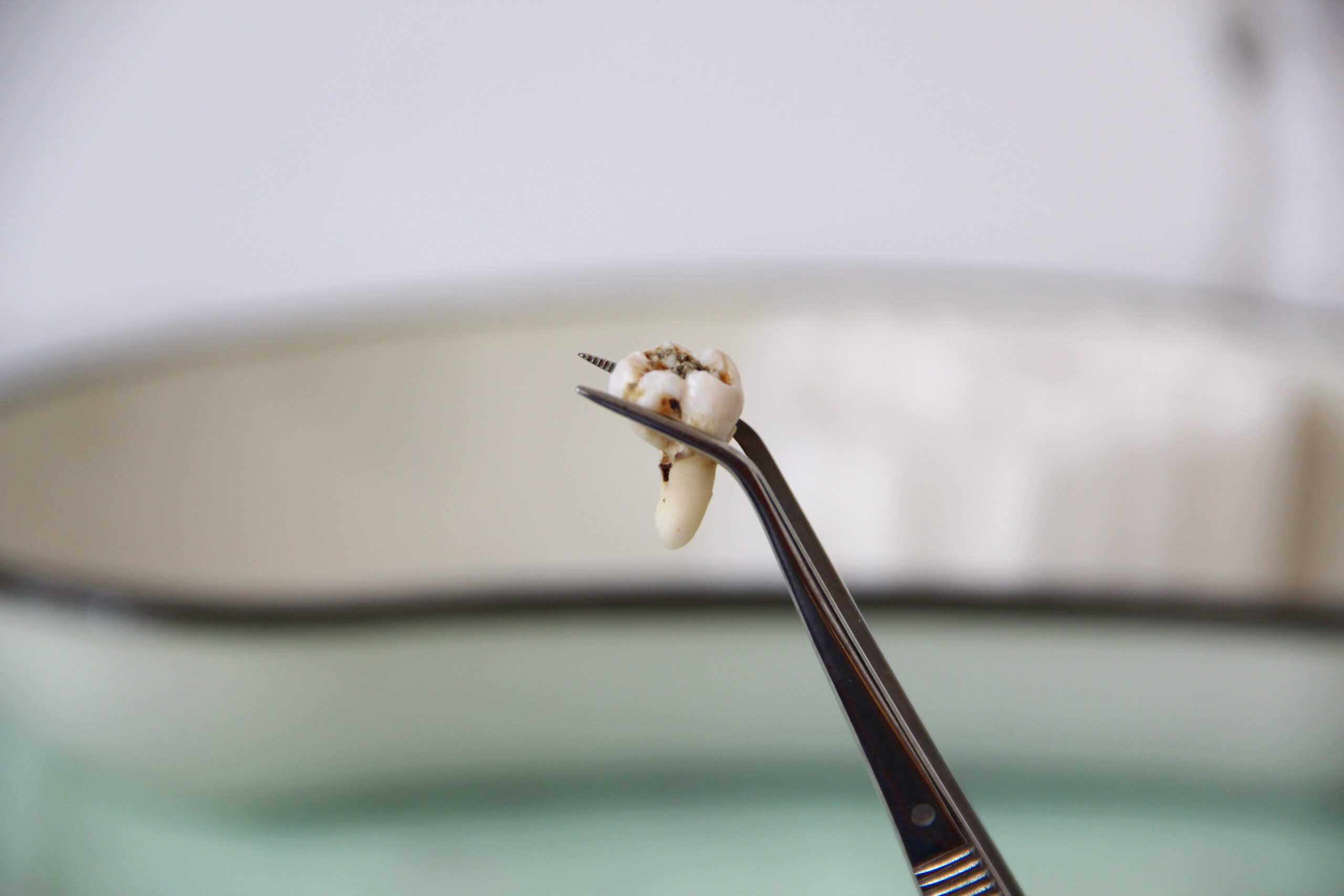
Dark spots on teeth generally fall into three categories. Extrinsic stains sit on the surface of the enamel and come from coffee, tea, red wine, berries, or tobacco. Intrinsic discoloration develops inside the tooth itself, from old trauma, certain medications, or fluorosis, and shows through the enamel rather than sitting on it. And then there’s decay — a cavity that has progressed enough to visibly darken the tooth, which is a dental problem rather than a cosmetic one.
What Regular Toothpaste Can and Can’t Do
Standard toothpaste contains mild abrasives that help remove surface plaque and some extrinsic staining with regular use. What it can’t do is penetrate the enamel to change discoloration that originates inside the tooth, and it has no ability to reverse or halt an active cavity — decay needs to be professionally treated, not brushed away.
Can Whitening Toothpaste Do More?
Whitening toothpaste typically adds a low concentration of hydrogen peroxide along with its abrasives. The peroxide works by oxidizing and breaking down the molecules responsible for staining, which can gradually lighten extrinsic (surface) discoloration with consistent use over several weeks.
It still can’t meaningfully lighten intrinsic discoloration, and it has no effect on a dark spot caused by decay — in fact, brushing harder at a cavity site can sometimes accelerate damage rather than fix anything.
When a Dark Spot Is Actually a Cavity
A dark spot that’s black, brown, or gray, feels soft or sticky when you run your tongue over it, or is accompanied by sensitivity is more likely to be decay than a stain. Cavities that have progressed into the dentin layer (often referred to as a stage 3 cavity) tend to show visible dark discoloration, may cause noticeable sensitivity to temperature or sweets, and require professional treatment — typically a filling, and sometimes a crown or root canal if decay has spread further.
What Actually Removes Stubborn Dark Spots
- Professional cleaning: removes tartar buildup and surface staining that toothpaste alone can’t fully lift.
- In-office or dentist-supervised whitening: uses a higher concentration of whitening agent for more noticeable, faster results than toothpaste.
- Bonding or veneers: can cover intrinsic discoloration that won’t respond to bleaching.
- A filling or crown: is the only real fix if the dark spot is decay rather than a stain.
Preventing New Dark Spots From Forming
- Rinse with water: after coffee, tea, or red wine to limit how long staining compounds sit on your enamel.
- Avoid tobacco products: which are among the most significant contributors to both surface staining and gum disease.
- Keep up with regular cleanings: to catch and remove tartar-related staining before it builds up.
- Treat cavities early: since small, early-stage decay is far easier and cheaper to fix than an advanced one.
Frequently Asked Questions
Q: How do I get rid of the dark spots on my teeth?
The right fix depends on the cause: whitening toothpaste or professional whitening can lighten surface stains, but a dark spot caused by decay requires a filling or other dental treatment, not a whitening product.
A dentist can usually tell the difference in seconds during an exam, so if you’re unsure which type you’re dealing with, that’s the fastest way to get a real answer.
Q: Will black spots on teeth go away?
Surface stains can fade with consistent whitening toothpaste use or professional whitening, but a black spot caused by decay will not go away on its own and will typically get larger without treatment.
Cavities don’t reverse themselves once they’ve broken through the enamel, so a black or brown spot that doesn’t respond to normal whitening should be checked rather than watched.
Q: What causes dark spots on teeth?
The most common causes are surface staining from dark foods, drinks, and tobacco; tartar buildup; intrinsic discoloration from trauma or certain medications; and tooth decay.
Coffee, tea, red wine, and dark berries are common staining culprits for surface spots, while a spot that’s soft to the touch or growing over time is more likely to be a cavity than a stain.
Q: What does a stage 3 cavity look like?
A stage 3 cavity — decay that has progressed into the dentin layer beneath the enamel — typically shows as a visible dark spot with noticeable sensitivity to hot, cold, or sweet foods.
At this stage, the decay has moved past a simple surface issue and generally requires a filling to stop it from progressing further toward the tooth’s nerve, where it could require root canal treatment.
Conclusions
A dark spot is worth a second look rather than a guess — whitening toothpaste is a reasonable tool for surface stains, but it’s not a substitute for finding out what you’re actually dealing with.
If a spot on your tooth isn’t responding to your usual routine, Belleview Dental Associates in Littleton can take a quick look and tell you whether it’s a stain or something that needs treatment.