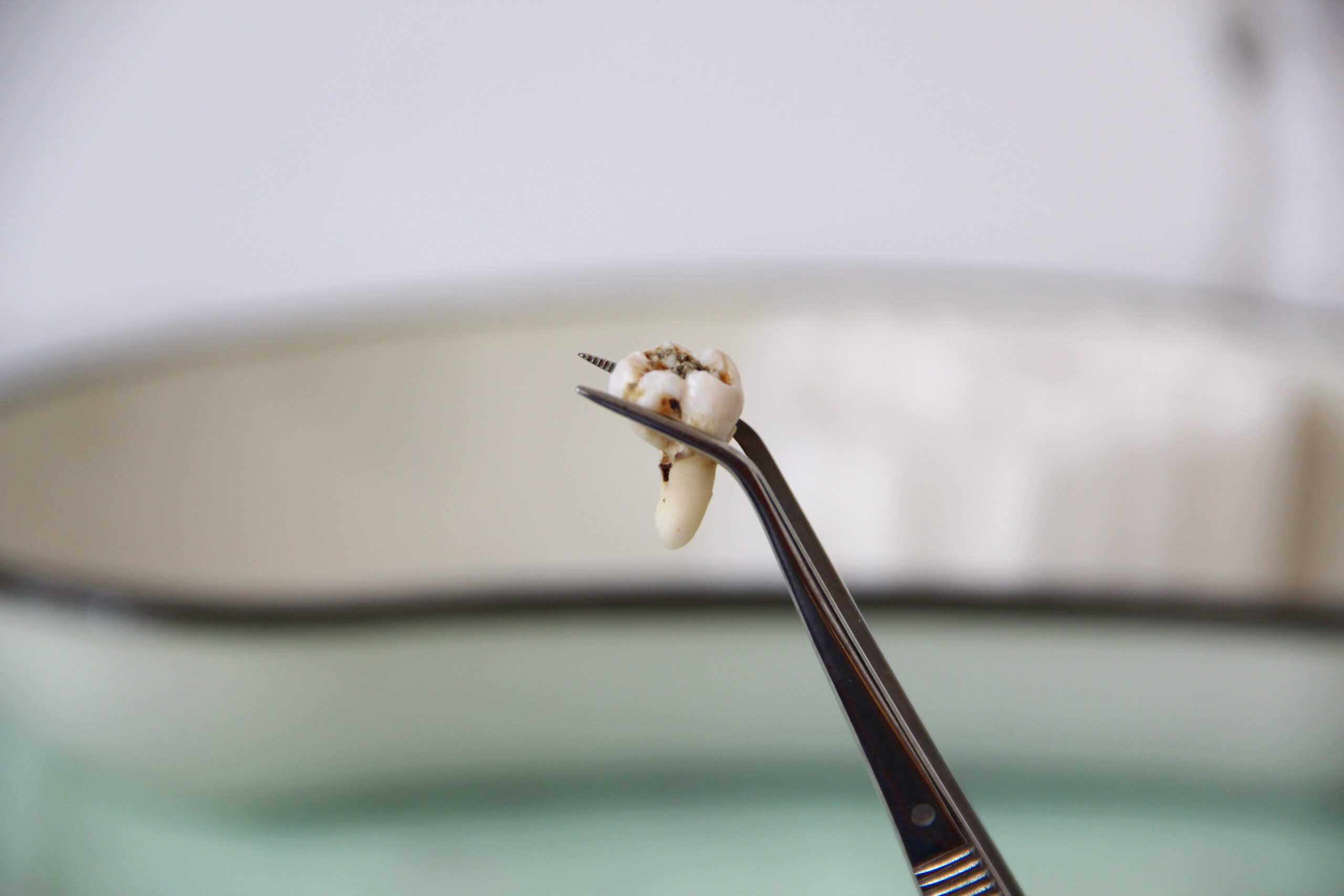
Most cavities in kids and teens form in the same place: the deep grooves and pits on the chewing surfaces of the back teeth, where a toothbrush bristle often can’t fully reach. Sealants on teeth exist specifically to close off that vulnerability.
They’re quick, painless, and among the most cost-effective preventive treatments in dentistry — but a lot of people, including many adults, aren’t sure whether they still qualify or whether sealants are worth it.
What Dental Sealants Actually Do
A sealant is a thin resin coating painted directly onto the chewing surface of a back tooth — typically a molar or premolar — where deep pits and fissures make plaque and food debris hard to clean out completely. Once cured, it forms a smooth, protective barrier that keeps bacteria and food particles from settling into those grooves.
Who Should Get Sealants
Sealants are most commonly recommended for children and teens on their newly erupted permanent molars, ideally soon after each tooth comes in and before decay has a chance to start. But they’re not exclusively for kids — adults with deep grooves, a history of cavities in those teeth, or no existing fillings on a molar can benefit from sealants too.
What the Sealant Procedure Involves
A Quick, Non-Invasive Visit
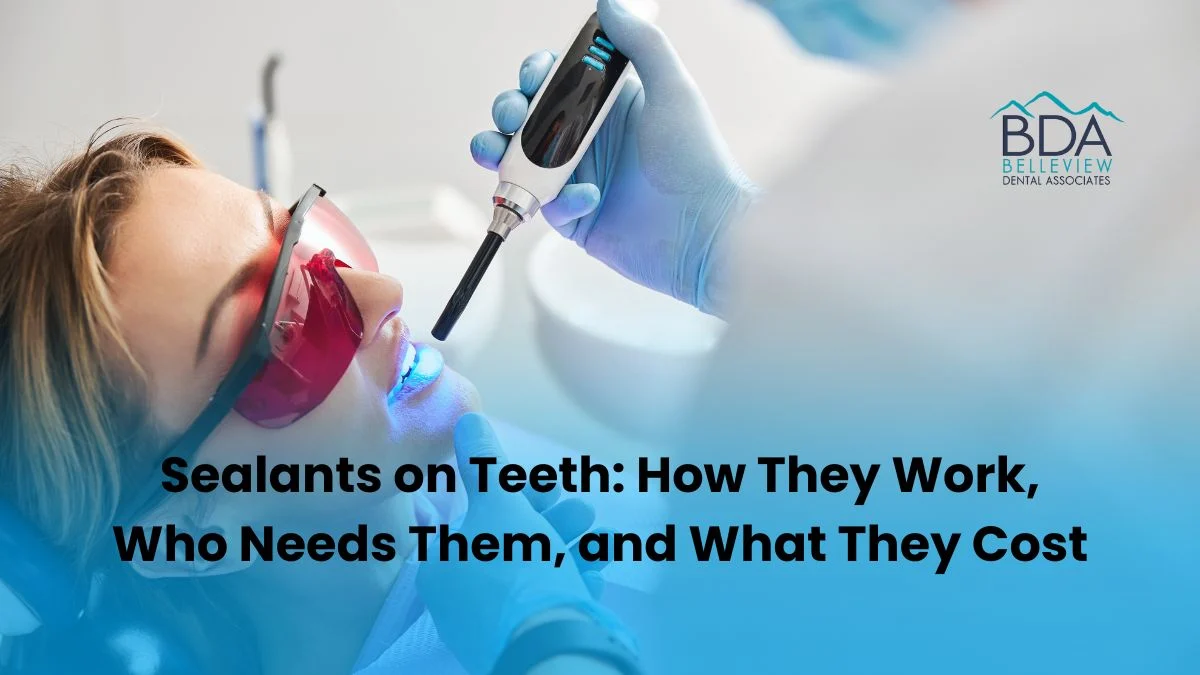
The tooth is cleaned and dried, the chewing surface is lightly prepped so the sealant bonds well, and the liquid resin is painted into the grooves. A curing light hardens it in seconds, and the dentist checks your bite to make sure it feels natural. No anesthesia is needed, and the whole process typically takes just a few minutes per tooth.
How Long Sealants Last and How Effective They Are
According to CDC research, sealants prevent roughly 80% of cavities in the two years after they’re placed, with that protection tapering to about 50% at the four-year mark — and they can continue offering meaningful protection for up to nine years in many cases. Sealants are checked at regular cleanings and can be reapplied if they chip or wear down.
Cost and Insurance Coverage
Sealants are inexpensive relative to what they prevent — a single sealant typically runs well under the cost of a filling, and many dental insurance plans, including Medicaid for children, cover them at little to no out-of-pocket cost. For adults, coverage varies more by plan, so it’s worth checking before your visit, though even paying out of pocket, sealants are far cheaper than treating a cavity later.
Possible Downsides and Common Myths
- BPA exposure: from sealant material is trace and considered safe by the ADA — far lower than everyday exposure from other common sources.
- They can wear down over time: and need to be checked and occasionally reapplied at routine visits.
- They don’t replace brushing and flossing: sealants protect chewing surfaces specifically, not the spaces between teeth or the gumline.
- They don’t protect between teeth: so flossing is still necessary to prevent cavities from forming in those areas.
Frequently Asked Questions
Q: Are sealants good for teeth?
Yes — sealants are one of the most effective, low-risk ways to prevent cavities on the chewing surfaces of back teeth, where most childhood and teen cavities form.
They’re backed by decades of research and recommended by both the CDC and the American Dental Association as a standard part of preventive care for children and, in many cases, cavity-prone adults.
Q: What are the disadvantages of sealants?
The main downsides are that sealants can wear down and need reapplication over time, and they only protect the chewing surfaces they cover — not the sides of teeth or the spaces between them.
They also don’t fix existing decay; they’re strictly preventive, so a tooth that already has a cavity will still need a filling or other treatment first.
Q: How long does a sealant last on teeth?
A sealant can offer meaningful cavity protection for years — research shows strong effectiveness through roughly four years, with protection continuing for up to nine years in many cases.
Lifespan depends on diet, grinding habits, and how the sealant holds up to normal chewing. Your dentist checks sealants at routine cleanings and can reapply them if they’ve chipped or worn thin.
Q: How much does dental sealant cost?
Sealants are one of the least expensive preventive treatments in dentistry, generally costing a fraction of what a filling for the same tooth would cost.
Many dental insurance plans cover sealants fully or largely for children, and Medicaid typically covers them as well. For adults without coverage, sealants are still usually far cheaper out of pocket than treating a cavity later.
Conclusions
Sealants on teeth are about as close as dentistry gets to a simple, low-cost insurance policy against future cavities — a few minutes in the chair now can spare you a filling, or worse, down the road.
To find out if your molars are good candidates, ask about sealants at your next cleaning with Belleview Dental Associates in Littleton.