If you’ve spent years avoiding photos, covering your mouth when you laugh, or dreading the dentist because you’re not sure what they’ll find, you’re far from alone. People with bad teeth make up a much larger share of dental patients than most assume, and “bad teeth” is one of the most common reasons people put off care — and one of the most fixable, once you understand what’s actually going on and what your options are.
This isn’t about willpower or hygiene alone. Genetics, medication side effects, past access to care, and simple bad luck all play a role. What matters now is knowing where you stand and what a realistic path back looks like.

What “Bad Teeth” Really Means (and Why It’s Not a Character Flaw)
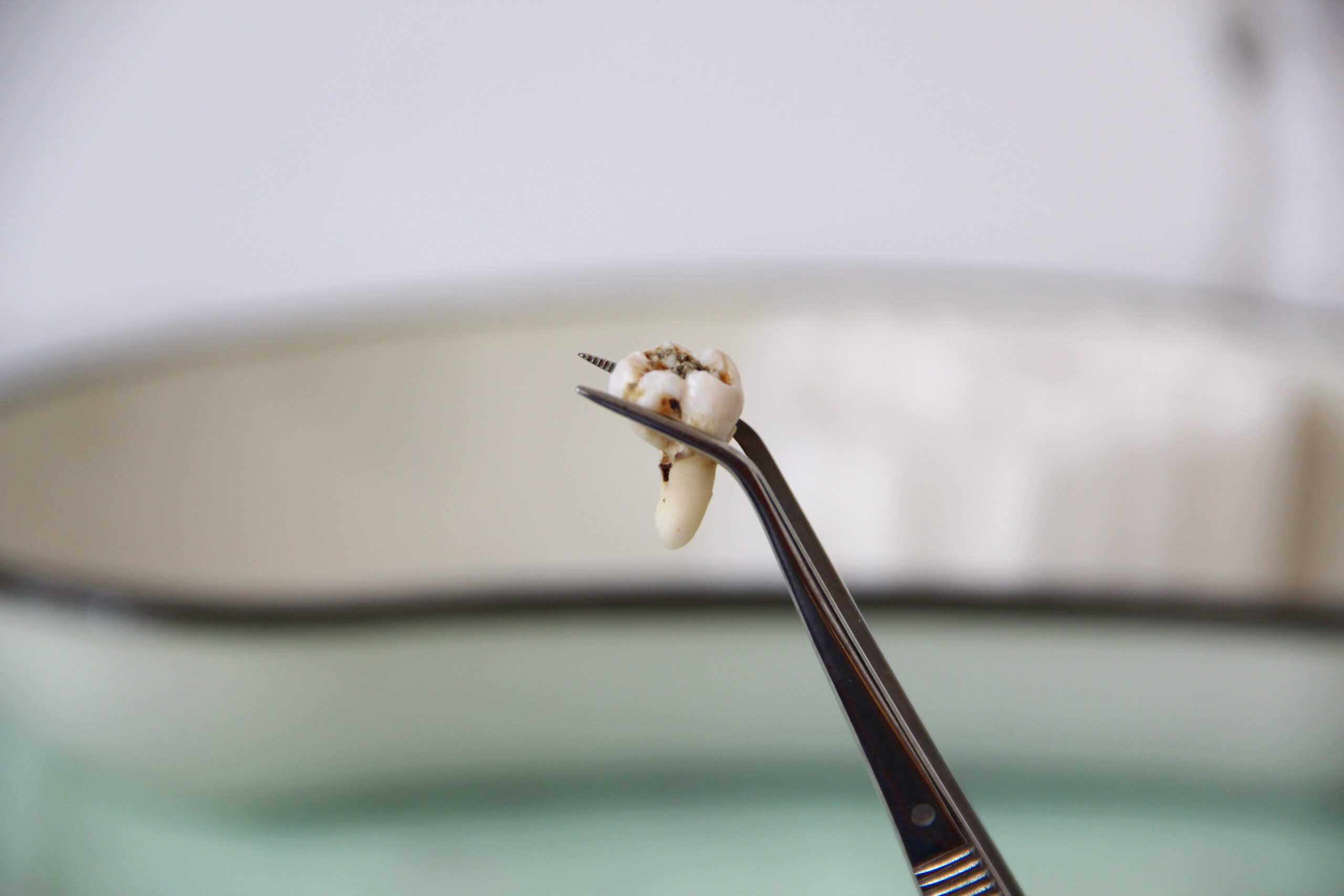
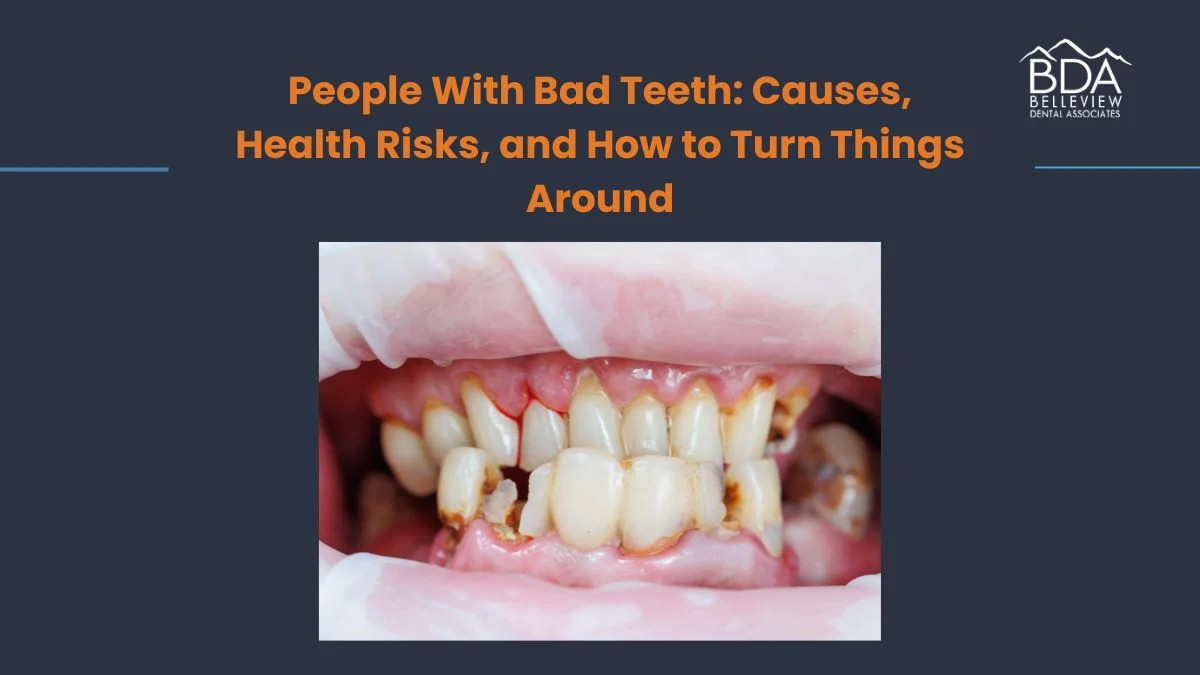
“Bad teeth” isn’t a diagnosis — it’s a catch-all for a range of issues that can include untreated cavities, chipped or crumbling enamel, gum disease, staining, missing teeth, or a combination of several at once. The severity varies enormously from person to person.
It’s also rarely the result of one cause. Genetics affect enamel strength and tooth alignment, certain medications reduce saliva flow and raise cavity risk, and financial or geographic barriers to dental care keep small problems from getting caught early. By the time many people seek help, several of these factors have been compounding for years.
The Most Common Causes of Bad Teeth
A few factors show up again and again in dental exams:
- Plaque and bacteria buildup: left on teeth long enough converts sugars into acid that erodes enamel and eventually causes cavities and gum disease.
- Diet high in sugar or acid: gives that bacteria constant fuel, especially with frequent snacking or sipping throughout the day.
- Dry mouth: from medications, certain health conditions, or dehydration reduces saliva’s natural ability to rinse away bacteria and buffer acid.
- Tobacco and vaping: restrict blood flow to the gums, mask early symptoms of disease, and accelerate decay and tooth loss.
- Teeth grinding (bruxism): wears down enamel and can crack or loosen teeth over time, often without the person realizing it’s happening.
- Limited access to care: whether due to cost, insurance, or simply not having a regular dentist, allows small issues to become large ones.
The Health Risks of Leaving Bad Teeth Untreated
Beyond appearance, untreated dental problems have real consequences. Gum disease has been linked to higher risks of cardiovascular disease and complicates blood sugar control in people with diabetes. Chronic infection in the mouth doesn’t stay contained — it can spread to the jawbone and, in severe cases, into the bloodstream.
There’s also a quieter cost: difficulty chewing certain foods can lead to poorer nutrition, and the social withdrawal that often comes with self-consciousness about one’s smile can affect mental health and confidence in professional and personal settings.
Treatment Options, From Simple Repairs to a Full Smile Rebuild
Most people picture the worst-case scenario — but treatment is almost always staged, starting with whatever addresses pain or infection first.
- Professional cleaning: removes plaque and tartar buildup that brushing alone can’t reach, often improving gum health within weeks.
- Fillings: repair teeth with cavities that haven’t reached the nerve, usually in a single visit.
- Crowns: restore teeth with more extensive damage or that have had root canal treatment, preserving the natural tooth root.
- Extractions with implants, bridges, or dentures: replace teeth that are too damaged to save, restoring both function and appearance.
- Gum (periodontal) treatment: addresses infection and bone loss around the teeth before it progresses further.
What a First Visit Actually Looks Like
A first appointment after years away from the dentist typically starts with a full exam and X-rays, not immediate treatment. This gives the dentist a complete picture of what’s urgent, what can wait, and what your options are at each stage.
From there, most practices will walk through a phased plan — addressing pain or infection first, then moving to restorative and cosmetic work as time and budget allow. You’re not signing up for everything at once; you’re getting a map.
Keeping Restored Teeth Healthy Long-Term
Once problem areas are addressed, the goal shifts to prevention: brushing twice daily with fluoride toothpaste, flossing or using an interdental brush daily, and keeping regular cleaning appointments every six months (or more often if you’re at higher risk).
Cutting back on frequent sugar and acid exposure, staying hydrated, and addressing dry mouth with your dentist’s help all make a measurable difference in how long restorative work lasts.
Frequently Asked Questions
Q: What to do when all your teeth are bad?
Start with a full exam and X-rays so your dentist can map out a phased treatment plan rather than trying to fix everything in one visit.
Depending on what’s salvageable, that plan might combine deep cleanings, fillings, and crowns on teeth that can be saved with extractions and implants, bridges, or dentures for teeth that can’t. Most practices stage treatment so urgent pain or infection is addressed first, with function and appearance rebuilt over following visits.
Q: Is it ever too late to save your teeth?
It’s rarely too late to improve your oral health overall, even when individual teeth can’t be saved, because modern dentistry can replace missing teeth almost as effectively as it repairs damaged ones.
A tooth with a cracked root or advanced decay below the gumline may need extraction, but implants, bridges, and dentures can restore a full, functional bite afterward. The real risk of waiting is an untreated infection, which can spread beyond the tooth itself.
Q: How can I hide my bad teeth?
In the short term, being mindful of how you smile in photos or keeping lips relaxed rather than pulled back can ease self-consciousness, but it won’t change the underlying problem.
Simple treatments like bonding, whitening, or a partial denture can often improve confidence within one or two visits, while veneers or crowns offer a longer-term cosmetic fix once any decay or gum disease has been treated first.
Q: Why are my teeth crumbling?
Crumbling teeth are usually the result of enamel weakened by acid erosion, deep decay, or old fillings that no longer support the surrounding tooth structure.
Frequent exposure to sugary or acidic foods and drinks, dry mouth, teeth grinding, and untreated cavities are the most common contributors. A dentist can usually pinpoint the cause during an exam and stabilize the tooth with a filling, crown, or root canal before more structure is lost.
Conclusions
People with bad teeth are common patients, not outliers, and their problems are almost never as hopeless as they feel from the outside. Most people who assume they’re past the point of help are surprised by how much a staged, realistic plan can accomplish.
If you want a clear, judgment-free read on where your teeth stand, the team at Belleview Dental Associates in Littleton can walk you through with a straightforward exam and an honest plan for what comes next.