
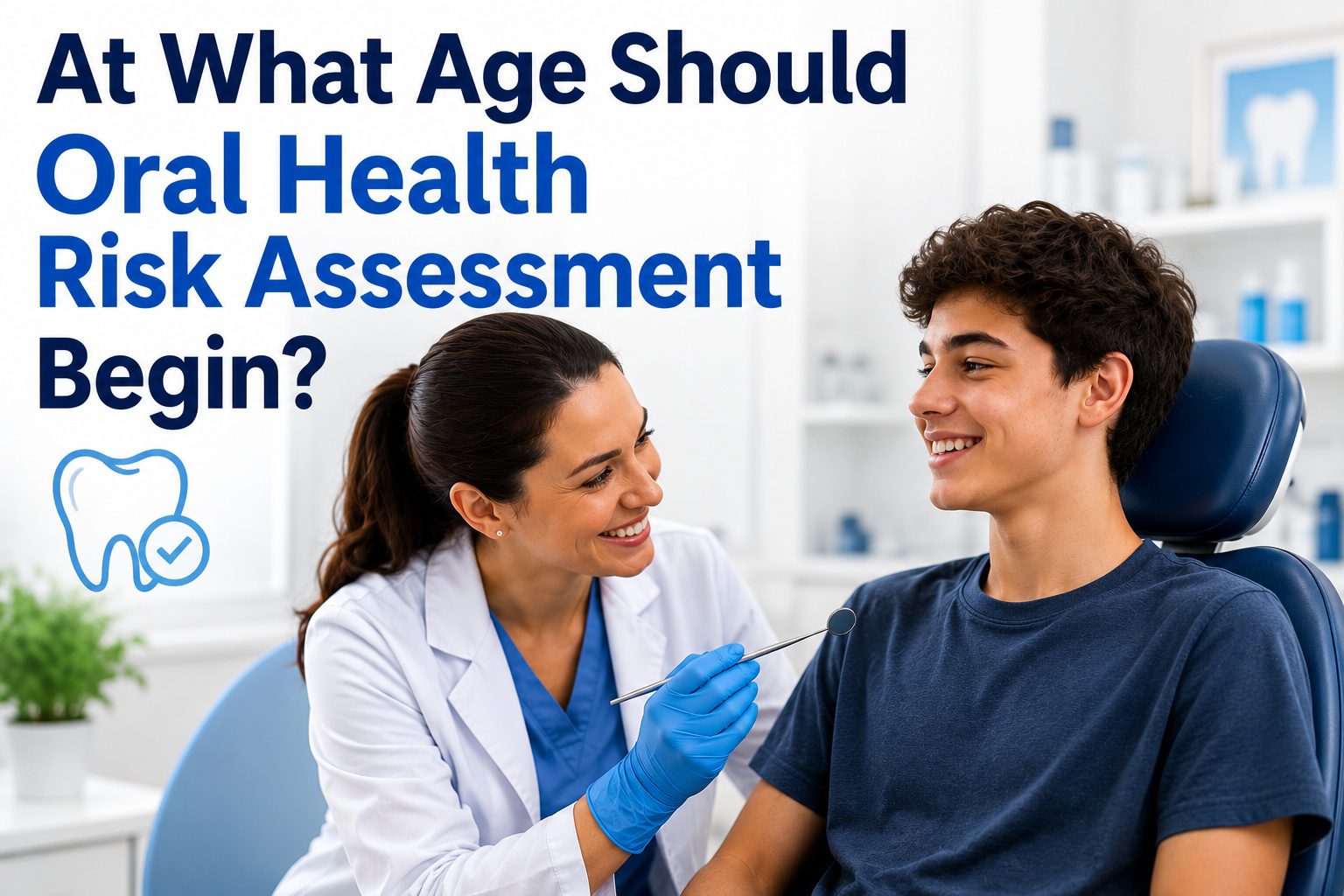
Good oral health starts earlier than many people realize. One of the most important steps in preventive dental care is an Oral Health Risk Assessment, which helps identify potential dental issues before they become serious problems.
At Belleview Dental Associates, we emphasize early prevention, and understanding when to begin an Oral Health Risk Assessment can make a lasting difference in a patient’s overall oral health.
Understanding Oral Health Risk Assessment
An Oral Health Risk Assessment is a professional evaluation used to determine a patient’s likelihood of developing dental problems such as cavities, gum disease, dry mouth, or other oral conditions. It considers factors like oral hygiene habits, diet, medical history, and existing dental conditions.
This assessment allows dentists to create personalized care plans that focus on prevention rather than treatment. By identifying risks early, patients can avoid more complex and costly procedures in the future.
When Should Oral Health Risk Assessment Begin?
An Oral Health Risk Assessment should begin as early as infancy. Dental professionals recommend that children have their first dental visit by their first birthday or within six months of their first tooth erupting.
Starting early allows dentists to evaluate the child’s oral development and identify any potential concerns. It also helps parents understand proper oral care practices, setting the foundation for lifelong dental health.
Early Oral Health Risk Assessment is especially important because dental issues can develop quickly in young children, even before symptoms become noticeable.
Why Early Assessment Matters
Beginning an Oral Health Risk Assessment at a young age provides several long-term benefits. It helps detect early signs of tooth decay, monitors the growth and alignment of teeth, and identifies habits that may affect oral health, such as thumb sucking or prolonged bottle use.
In addition, early assessments allow for guidance on nutrition and hygiene practices that support healthy teeth and gums. Preventive care at this stage can significantly reduce the risk of dental problems later in life.
Much like other dental conditions that can develop subtle symptoms over time, early detection plays a crucial role in preventing more serious complications .
Oral Health Risk Assessment for Different Age Groups
While an Oral Health Risk Assessment should begin in infancy, it remains important throughout every stage of life.
In childhood, assessments focus on cavity risk, fluoride exposure, and proper brushing habits. As children grow, dentists also monitor tooth alignment and jaw development.
For teenagers, an Oral Health Risk Assessment often includes evaluating the effects of diet, oral hygiene consistency, and orthodontic needs.
In adulthood, the focus shifts toward gum health, lifestyle factors such as smoking, and the condition of existing dental work. For older adults, assessments may also include monitoring for dry mouth, tooth wear, and systemic health conditions that affect oral health.
What Happens During an Oral Health Risk Assessment?
During an Oral Health Risk Assessment, your dentist will perform a thorough evaluation of your teeth, gums, and overall oral environment. This typically includes reviewing your medical and dental history, examining for signs of decay or gum disease, and discussing your daily oral care routine.
The dentist may also assess dietary habits and other lifestyle factors that can influence oral health. Based on these findings, a personalized preventive plan is created to address specific risks and maintain optimal oral health.
The Role of Preventive Care
Preventive care is at the heart of every Oral Health Risk Assessment. By identifying potential issues early, patients can take proactive steps to protect their teeth and gums.
Regular dental visits, proper brushing and flossing, and the use of recommended products all contribute to lowering risk levels. Over time, consistent preventive care reduces the likelihood of needing more advanced treatments.
Why Choose Belleview Dental Associates
At Belleview Dental Associates, we are committed to providing personalized and preventive dental care for patients of all ages. Our team takes a comprehensive approach to every Oral Health Risk Assessment, ensuring that each patient receives care tailored to their unique needs.
We combine modern dental technology with patient education to help you understand your oral health and make informed decisions. From your child’s first visit to ongoing care as an adult, we are here to support your long-term dental wellness.
Conclusion
An Oral Health Risk Assessment should begin early—ideally within the first year of life—and continue throughout every stage of life. Starting early allows for better prevention, early detection, and healthier outcomes over time.
At Belleview Dental Associates, we encourage families to prioritize regular dental visits and early assessments to build a strong foundation for lifelong oral health.
At what age should a child first have an Oral Health Risk Assessment?
A child should have their first Oral Health Risk Assessment by age one or when the first tooth appears.
Is Oral Health Risk Assessment necessary for adults?
Yes, an Oral Health Risk Assessment is important at every age to monitor and prevent dental issues.
How often should Oral Health Risk Assessment be done?
It is typically done during regular dental checkups, usually every six months, depending on individual needs.
What are the benefits of Oral Health Risk Assessment?
It helps detect problems early, guides preventive care, and reduces the risk of serious dental conditions.