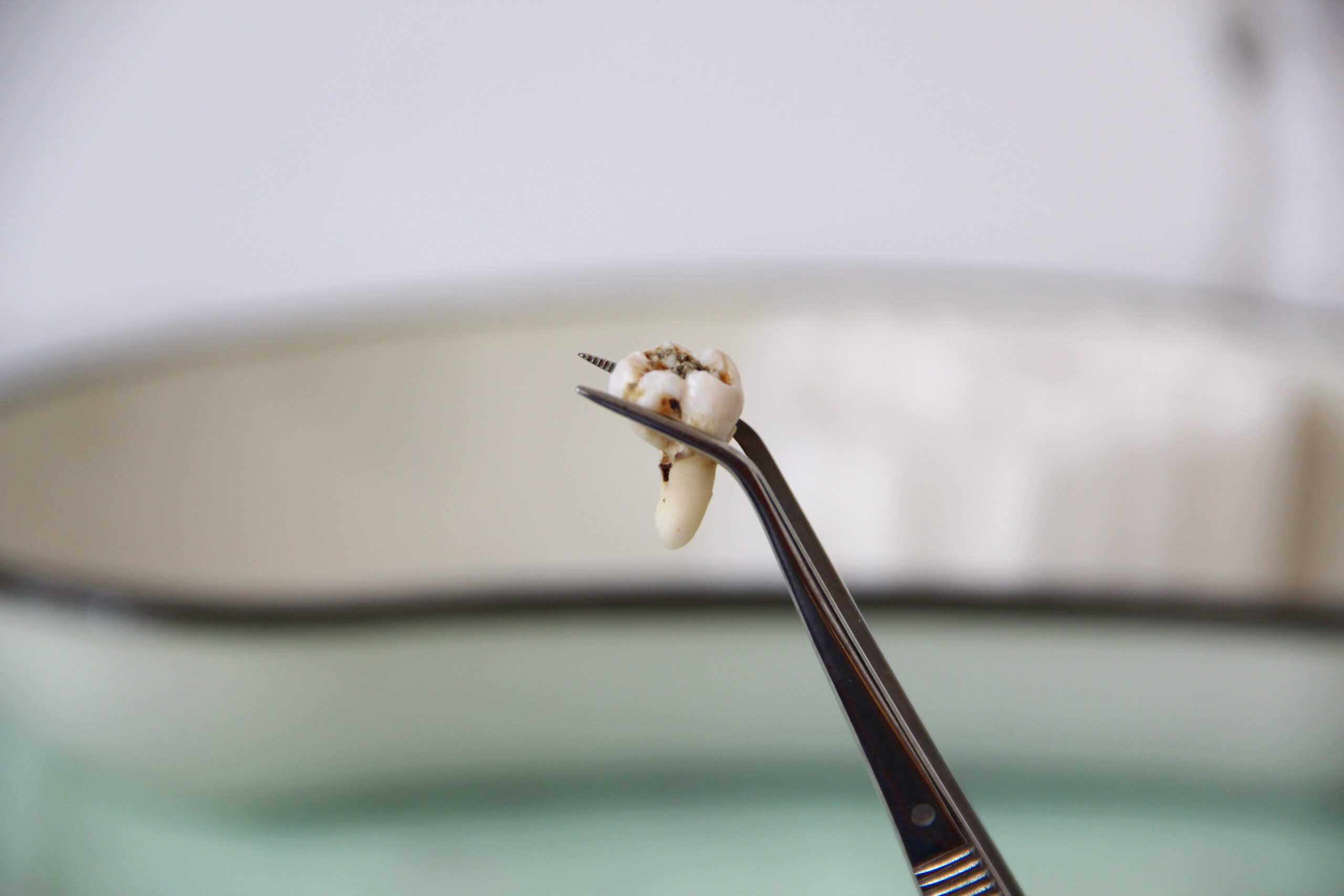
Bad breath, clinically known as halitosis, is a common issue that affects people of all ages. While occasional bad breath can happen to anyone, persistent or chronic bad breath is often a sign that something more serious is going on beneath the surface. Unfortunately, many people try to mask the problem with mints or mouthwash rather than addressing the real cause.
If you’re searching for how to prevent bad breath permanently, the solution usually involves more than just brushing your teeth more often. At Belleview Dental Associates in Littleton, CO, we help patients identify the root cause of bad breath and create personalized plans that restore both oral health and confidence.
This guide explains why bad breath occurs, how to prevent it long-term, and when professional dental care is necessary.
What Is Bad Breath and Why Does It Happen?
Bad breath develops when bacteria in the mouth break down food particles, dead cells, and proteins. During this process, these bacteria release volatile sulfur compounds, which are responsible for the unpleasant odors many people associate with halitosis.
Your mouth naturally contains hundreds of types of bacteria. While many are harmless or even beneficial, others thrive in low-oxygen environments such as the back of the tongue, between teeth, and below the gumline. When these bacteria multiply unchecked, bad breath becomes persistent.
It’s important to understand the difference between temporary and chronic bad breath. Temporary bad breath often occurs after waking up, eating certain foods, or going several hours without water. Chronic bad breath, on the other hand, continues despite brushing and mouthwash and usually points to underlying dental or medical conditions.
Common Causes of Bad Breath Most People Ignore
Many people assume bad breath is caused only by poor brushing habits. In reality, oral hygiene is just one piece of the puzzle.
Poor Oral Hygiene and Plaque Buildup
Inadequate brushing and flossing allow plaque to harden into tartar. This creates a breeding ground for odor-producing bacteria that can’t be removed at home.
Signs include:
- Yellow buildup on teeth
- Bleeding gums
- Persistent bad taste
Tongue Bacteria and Volatile Sulfur Compounds
The tongue is one of the largest sources of bad breath, yet it’s often overlooked.
Its rough surface traps:
- Food debris\
- Dead cells
- Bacteria
Without tongue cleaning, brushing alone won’t solve bad breath.
Dry Mouth (Xerostomia)
Saliva plays a critical role in oral health. It:
- Washes away bacteria
- Neutralizes acids
- Keeps tissues healthy
Dry mouth—caused by medications, dehydration, caffeine, or medical conditions—leads to rapid bacterial growth and bad breath.
Diet-Related Causes
Certain foods worsen breath by:
- Leaving sulfur compounds in the mouth
- Being absorbed into the bloodstream and released through the lungs
Common culprits include:
- Garlic and onions
- Spicy foods
- Sugary snacks
Smoking, Alcohol, and Coffee
Tobacco, alcohol, and coffee all:
- Dry out the mouth
- Alter oral bacteria
- Leave lingering odors
Smoking also increases the risk of gum disease, a major cause of chronic halitosis.
Gum Disease and Tooth Infections
Gum disease creates deep pockets where bacteria thrive. As it progresses, it causes:
- Chronic inflammation
- Tissue breakdown
- Persistent foul odor
Dental abscesses and untreated cavities also release strong odors due to infection.
Sinus, Throat, and Digestive Conditions
Bad breath doesn’t always originate in the mouth. Other causes include:
- Postnasal drip from sinus infections
- Tonsil stones
- Acid reflux (GERD)
- Diabetes
This is why persistent bad breath should never be ignored.
Building a Daily Oral Care Routine That Prevents Bad Breath
Preventing bad breath starts with a structured, intentional oral hygiene routine that goes beyond quick brushing.
Teeth should be brushed twice daily for at least two minutes using a soft-bristled toothbrush and fluoride toothpaste. Special attention should be given to the gumline, where bacteria accumulate most easily. Brushing too aggressively can damage the gums and worsen odor over time.
Tongue cleaning is essential for fresh breath. The tongue is one of the largest reservoirs of odor-causing bacteria in the mouth. Using a tongue scraper once daily can dramatically reduce bad breath by removing the bacterial coating that brushing alone cannot reach.
Flossing is equally important. Food particles trapped between teeth begin to break down quickly, producing unpleasant odors. Daily flossing removes debris from areas toothbrush bristles cannot access and helps prevent gum disease.
Mouthwash can be helpful when used correctly. Alcohol-free mouthwashes with antibacterial ingredients or zinc compounds are particularly effective because they neutralize sulfur gases rather than just masking odor. Mouthwash should be viewed as a supplement, not a replacement, for brushing and flossing.
Toothbrushes should be replaced every three months or sooner if the bristles are frayed. Old toothbrushes harbor bacteria and are less effective at cleaning.
Lifestyle Habits That Support Fresh Breath All Day
Oral hygiene works best when paired with healthy daily habits.
Staying hydrated throughout the day helps maintain saliva flow, which naturally cleanses the mouth and reduces bacterial growth. Drinking water regularly is one of the simplest and most effective ways to prevent bad breath.
Certain foods can actually help freshen breath. Crunchy fruits and vegetables stimulate saliva production and help mechanically clean the teeth. Yogurt containing probiotics may also help balance oral bacteria.
Limiting sugar intake is critical. Sugar feeds odor-causing bacteria and increases the risk of cavities and gum disease. Reducing processed snacks and sugary drinks benefits both oral health and breath.
Sugar-free gum containing xylitol can be helpful between meals. Xylitol stimulates saliva production and reduces the growth of harmful bacteria, making it far more effective than traditional gum or mints.
Medical and Dental Conditions That Cause Chronic Bad Breath
When bad breath persists despite good oral hygiene, an underlying condition is often the cause.
Gum disease is the most common culprit. As gum disease progresses, it creates deep pockets where bacteria thrive. The odor associated with gum disease often becomes stronger over time and will not improve without professional treatment.
Untreated cavities and dental infections can also produce foul odors. Infected tissue releases gases that brushing cannot eliminate. Dental abscesses require immediate attention to prevent further complications.
Sinus infections and chronic postnasal drip allow mucus to accumulate in the throat, feeding bacteria that cause unpleasant breath. Similarly, tonsil stones trap debris and bacteria, creating a strong odor.
Digestive issues such as acid reflux can cause stomach acids and odors to travel upward into the mouth, leading to persistent bad breath.
Systemic conditions such as uncontrolled diabetes can cause distinctive breath odors and should be evaluated promptly by a healthcare professional.
When You Should See a Dentist for Bad Breath
You should schedule a dental appointment if bad breath continues despite proper oral hygiene, is accompanied by bleeding gums, pain, swelling, or a persistent bad taste, or returns quickly after brushing.
Professional dental cleanings remove hardened tartar and bacteria that cannot be eliminated at home. Dentists can also identify early signs of gum disease, decay, or infection before they worsen.
Treatment may include deep cleanings, periodontal therapy, cavity treatment, dry mouth management, or referrals for medical evaluation if necessary.
Bad Breath Treatment at Belleview Dental Associates in Littleton, CO
At Belleview Dental Associates, we take a comprehensive approach to diagnosing and treating bad breath. We don’t rely on guesswork. Our team evaluates gum health, tongue bacteria, dental restorations, and signs of infection to determine the true cause of halitosis.
For patients with gum disease, we provide targeted periodontal treatment to eliminate bacteria below the gumline. For others, treatment may involve addressing cavities, improving saliva flow, or adjusting oral hygiene routines.
Every patient receives a personalized prevention plan designed to deliver long-term results, not temporary fixes.
How to Prevent Bad Breath Long-Term
Long-term prevention requires consistency and professional oversight. Daily brushing, flossing, and tongue cleaning form the foundation. Healthy hydration, mindful dietary choices, and regular dental visits reinforce these habits.
Routine dental checkups every six months allow issues to be addressed early, before bad breath becomes chronic or difficult to treat.
Conclusion
Bad breath is not something you should simply tolerate or attempt to hide. When the underlying cause is identified and treated properly, long-term fresh breath is absolutely achievable.
If you’re struggling with persistent bad breath, the team at Belleview Dental Associates in Littleton, CO is here to help. Schedule an appointment today and take the first step toward better oral health and renewed confidence.
Frequently Asked Questions
What is the most common cause of chronic bad breath?
Chronic bad breath is most often caused by gum disease, tongue bacteria, dry mouth, or untreated dental infections.
Can brushing alone fix bad breath?
Brushing alone is usually not enough. Tongue cleaning, flossing, hydration, and professional dental care are essential.
How do dentists treat bad breath?
Dentists identify the root cause and may provide professional cleanings, periodontal therapy, cavity treatment, or dry mouth solutions.
Does bad breath always mean gum disease?
Not always, but persistent bad breath is one of the earliest warning signs of gum disease.
How long does it take to fix bad breath permanently?
Some cases improve within days, while others require weeks of professional treatment depending on the cause.