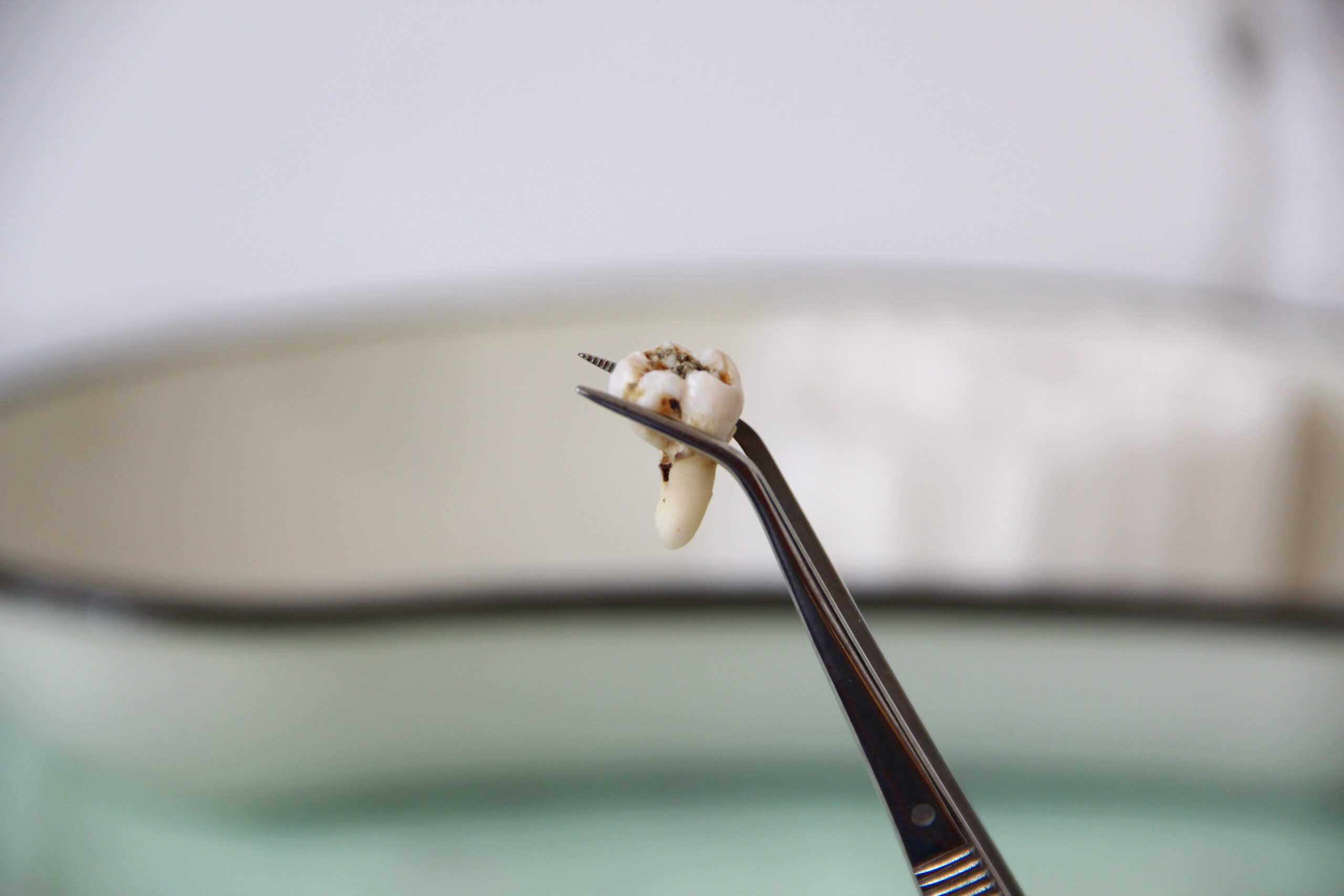
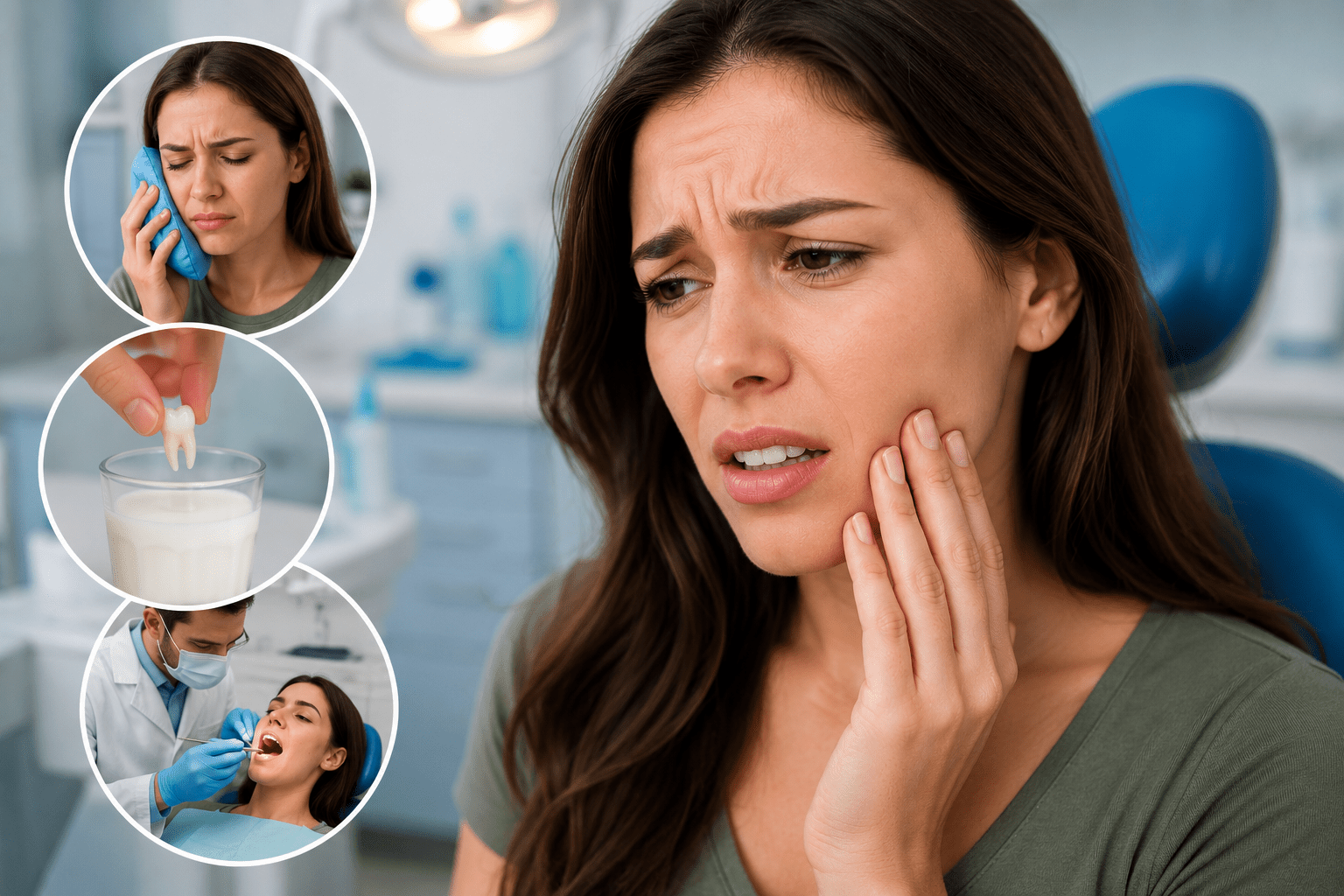
A dental emergency can happen unexpectedly and often brings pain, stress, and uncertainty. Whether it’s a severe toothache, a broken tooth, or a knocked-out tooth, knowing how to respond quickly can help reduce damage and improve the chances of successful treatment.
Many dental emergencies require immediate attention because delaying care can lead to infection, permanent tooth damage, or more complex dental problems. Understanding the right first steps can help protect your oral health until you can see a dental professional.
At Belleview Dental Associates, patient education and preventive care are important parts of helping individuals protect their smiles during urgent dental situations.
What Is Considered A Dental Emergency?
A dental emergency involves any oral health issue that requires immediate professional attention to stop bleeding, relieve severe pain, save a tooth, or prevent infection from spreading.
Some common dental emergencies include:
- Knocked-out teeth
- Severe toothaches
- Broken or cracked teeth
- Lost crowns or fillings
- Dental abscesses
- Swelling or bleeding in the mouth
- Injuries to the gums or jaw
While some dental issues can wait for a routine appointment, others should never be ignored.
Immediate Steps To Take During A Dental Emergency
The first thing to do during a dental emergency is stay calm and assess the situation carefully. Acting quickly and correctly can help minimize complications and improve treatment outcomes.
If there is bleeding, apply gentle pressure using clean gauze or a soft cloth. Holding pressure on the area for several minutes may help slow or stop the bleeding.
A cold compress placed on the outside of the face can help reduce swelling and discomfort. Over-the-counter pain relievers may also help manage pain temporarily, but medications should never be placed directly on the gums because they can irritate soft tissue.
If a tooth has been knocked out, handling it properly is critical. Always hold the tooth by the crown rather than the root. If dirty, rinse it gently with water without scrubbing. If possible, place the tooth back into the socket carefully. If reinsertion is not possible, storing the tooth in milk or a tooth preservation solution may help keep it viable until professional treatment is available.
For broken or cracked teeth, rinse the mouth with warm water and avoid chewing on the affected side. Saving any broken fragments may also be helpful for your dentist.
Common Dental Emergencies And How To Respond
Different situations require different responses, but understanding the most common emergencies can help you act quickly and confidently.
Severe Toothache
A severe toothache may indicate decay, infection, or an abscess. Rinsing the mouth with warm water and gently flossing around the tooth may help remove trapped debris. Persistent pain should always be evaluated by a dental professional.
Knocked-Out Tooth
A knocked-out tooth is one of the most time-sensitive dental emergencies. Seeking treatment within 30 to 60 minutes offers the best chance of saving the tooth.
Cracked Or Broken Teeth
Minor chips may not require urgent treatment, but larger cracks can expose nerves and increase the risk of infection. Prompt evaluation helps prevent the damage from worsening.
Lost Crown Or Filling
When a filling or crown falls out, the tooth becomes more vulnerable to sensitivity and additional damage. Avoid chewing on that side until professional repair is completed.
Dental Abscess
An abscess is a serious infection that can spread if left untreated. Symptoms may include swelling, severe pain, fever, and a bad taste in the mouth. This type of dental emergency requires immediate professional care.
When To Seek Emergency Dental Care
Not every dental issue requires urgent care, but certain symptoms should never be ignored. You should contact a dentist immediately if you experience:
- Severe or persistent pain
- Swelling in the gums or face
- Uncontrolled bleeding
- A knocked-out tooth
- Signs of infection such as fever or pus
- Difficulty swallowing or breathing
Delaying treatment during a dental emergency can increase the risk of permanent damage and more extensive procedures later.
How To Help Prevent Dental Emergencies
While accidents cannot always be avoided, many dental emergencies are preventable with proper oral care and healthy habits.
Maintaining regular brushing and flossing routines helps reduce the risk of decay and gum disease. Routine dental exams can also identify small problems before they turn into emergencies.
Patients who participate in sports or physical activities should consider wearing a mouthguard to help protect their teeth from injury.
Avoiding habits such as chewing ice, opening packages with teeth, or biting hard objects can also help prevent fractures and damage.
At Belleview Dental Associates, preventive dentistry focuses on helping patients maintain strong, healthy smiles while reducing the risk of unexpected dental problems.
What To Include In A Dental Emergency Kit
Having a basic dental emergency kit at home can help you respond quickly if an urgent situation occurs.
A simple kit may include:
- Gauze
- Saline solution
- A small storage container
- Over-the-counter pain relievers
- Dental wax
- Cold packs
- Disposable gloves
Being prepared can make managing a dental emergency less stressful and may improve the outcome before professional treatment is received.
Why Fast Action Matters
Time plays a major role in the outcome of many dental emergencies. Acting quickly may help save a tooth, reduce pain, and prevent infections from spreading.
For example, a knocked-out tooth has the highest chance of successful reattachment when treated within the first hour. Infections addressed early are also less likely to lead to serious complications.
Prompt treatment not only protects oral health but can also help patients return to normal activities more quickly.
Conclusion
A dental emergency can be stressful, but knowing how to respond quickly and appropriately can make a significant difference. Whether you are dealing with a severe toothache, a cracked tooth, or a knocked-out tooth, taking immediate action and seeking professional care can help protect your oral health and prevent long-term complications.
Maintaining good oral hygiene, attending regular dental visits, and practicing preventive habits can reduce the risk of many emergencies before they happen. At Belleview Dental Associates, patient education and preventive care remain important parts of helping individuals maintain healthy, confident smiles.
Frequently Asked Questions
Is a toothache considered a dental emergency?
A toothache may be considered a dental emergency if it is severe, persistent, or accompanied by swelling, fever, or signs of infection.
Can a knocked-out tooth be saved?
Yes. A knocked-out tooth can often be saved if it is handled properly and treated by a dentist within 30 to 60 minutes.
What should I avoid during a dental emergency?
Avoid chewing on the affected side, placing aspirin directly on the gums, using teeth as tools, or delaying professional dental treatment.
How can I reduce swelling during a dental emergency?
Applying a cold compress to the outside of the face may help reduce swelling and discomfort temporarily.
Are broken teeth always emergencies?
Not always. Small chips may not require urgent treatment, but larger fractures or broken teeth causing pain should be evaluated promptly.
How can I help prevent dental emergencies?
Good oral hygiene, regular dental visits, wearing mouthguards during sports, and avoiding hard objects can all help reduce the risk of dental emergencies.