Tooth sensitivity is one of the most common dental concerns among adults. That sudden sharp pain when drinking cold water, eating ice cream, or sipping hot coffee can quickly become frustrating and disruptive to daily life. While occasional sensitivity may seem minor, ongoing discomfort is often a sign that your teeth need attention.
The good news is that tooth sensitivity is usually treatable and, in many cases, preventable. Understanding what causes sensitive teeth can help you make informed decisions about your oral health and know when it may be time to seek professional care.
At Belleview Dental Associates, patient education is an important part of preventive dentistry. Helping patients understand the causes of sensitivity allows them to protect their enamel, improve oral habits, and maintain healthier smiles over time.
What Causes Tooth Sensitivity?
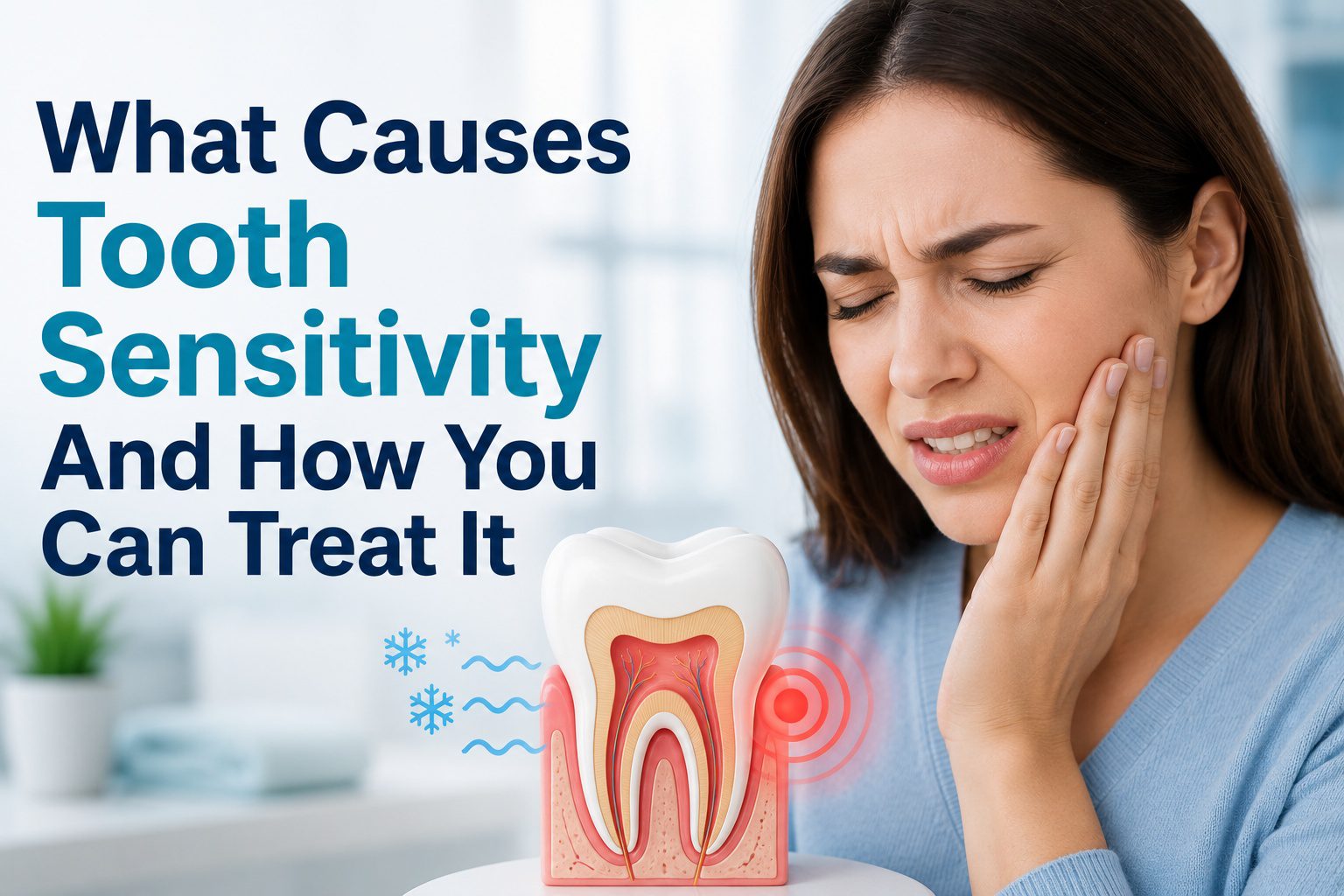
Tooth sensitivity develops when the protective layers of the teeth become weakened or damaged, exposing the dentin underneath. Dentin contains tiny channels that connect directly to the nerves inside the tooth, which is why certain foods, drinks, or temperatures can trigger pain.
There are several reasons this may happen.
Enamel Erosion
Enamel is the hard outer layer that shields your teeth from damage. Although enamel is strong, it can gradually wear down over time due to acidic foods and beverages. Coffee, soda, citrus fruits, wine, and sports drinks are all common contributors to enamel erosion.
Once enamel becomes thinner, teeth are less protected against heat, cold, and pressure.
Gum Recession
Healthy gums protect the roots of your teeth. However, when gums recede, the roots become exposed. Since roots do not have enamel covering them, they are naturally more sensitive.
Gum recession may occur because of:
- Aggressive brushing
- Gum disease
- Aging
- Poor oral hygiene habits
Tooth Decay And Cavities
Cavities create openings in the tooth structure that allow external stimuli to reach the nerves. Sensitivity may sometimes be an early warning sign of decay, especially if discomfort is isolated to one specific tooth.
Teeth Grinding
Teeth grinding, also known as bruxism, can slowly wear away enamel over time. Many people grind their teeth during sleep without realizing it. Over time, the pressure and friction may increase sensitivity and cause additional dental issues such as cracks or jaw discomfort.
Cracked Or Damaged Teeth
Even small cracks or chips can expose the inner layers of the teeth. Sensitivity caused by damaged teeth often becomes more noticeable while chewing or consuming very hot or cold foods.
Temporary Sensitivity After Dental Procedures
Some patients may experience temporary sensitivity following teeth whitening, fillings, or professional cleanings. This type of sensitivity is usually short-lived and improves within a few days.
How Tooth Sensitivity Is Treated
Treatment depends on identifying the underlying cause of the sensitivity. Mild cases may improve with changes to oral hygiene habits, while other cases may require professional dental treatment.
One of the most common recommendations is desensitizing toothpaste. These toothpastes contain ingredients that help reduce nerve stimulation and gradually lessen discomfort with consistent use.
Fluoride treatments can also help strengthen enamel and reduce sensitivity. Professional fluoride applications are often used to protect weakened areas of the teeth and support enamel health.
Patients with sensitivity should also pay attention to their brushing technique. Using a soft-bristled toothbrush/electric toothbrush and brushing gently can help prevent additional enamel wear and gum recession.
In cases where grinding is contributing to enamel loss, dentists may recommend wearing a custom night guard to protect the teeth during sleep.
If sensitivity is caused by gum recession or exposed roots, restorative options such as bonding or gum treatments may help protect vulnerable areas and improve comfort.
Foods And Habits That Can Make Sensitivity Worse
Some everyday habits may increase tooth sensitivity, especially when enamel is already weakened.
Acidic foods and beverages are among the biggest triggers because they gradually soften enamel. Sugary snacks can also contribute to tooth decay, increasing the likelihood of sensitivity.
Very hot or cold foods may intensify discomfort as well. Ice cream, iced drinks, hot tea, and coffee are common triggers for people with exposed dentin.
Another habit many people overlook is brushing immediately after eating acidic foods. Since enamel temporarily softens after acid exposure, brushing right away may cause additional wear. Waiting about 30 minutes before brushing is generally recommended.
Preventing Tooth Sensitivity
Preventive dental care plays a major role in protecting your teeth from sensitivity. Small daily habits can make a significant difference over time.
Maintaining good oral hygiene, brushing twice daily, flossing regularly, and limiting acidic beverages can all help protect enamel and gums. Drinking water throughout the day may also help rinse away acids and bacteria.
Regular dental visits are equally important. Professional exams and cleanings can identify early signs of enamel erosion, gum recession, or tooth decay before sensitivity becomes more severe.
Belleview Dental Associates emphasizes preventive care and patient education to help individuals maintain strong, healthy smiles at every stage of life.
When To See A Dentist
Occasional mild sensitivity may improve with at-home care, but persistent or worsening symptoms should be evaluated by a dental professional.
You should consider scheduling a dental appointment if:
- Sensitivity lasts for an extended period
- Pain becomes severe
- Discomfort affects multiple teeth
- You experience pain while chewing
- Symptoms suddenly appear without a clear reason
Early diagnosis can help prevent more complex dental problems and make treatment more effective.
Conclusion
Tooth sensitivity can affect daily comfort, but it is often manageable with the right care and attention. Whether the cause is enamel erosion, gum recession, teeth grinding, or tooth decay, understanding the source of the problem is the first step toward relief.
By practicing good oral hygiene, making healthy dietary choices, and scheduling regular dental checkups, patients can often reduce sensitivity and protect their long-term oral health. At Belleview Dental Associates in Littleton, CO, the focus is not only on treating dental concerns but also on helping patients better understand how to maintain healthy, comfortable smiles for years to come.
Frequently Asked Questions
Is tooth sensitivity permanent?
Not always. Many cases of tooth sensitivity can improve with proper treatment and lifestyle changes, especially when the underlying cause is addressed early.
Can sensitive teeth heal naturally?
Some temporary sensitivity may improve on its own, particularly if it is caused by recent dental work or mild irritation. However, ongoing sensitivity often requires treatment or changes to oral care habits.
Does whitening toothpaste increase sensitivity?
Certain whitening products may cause temporary sensitivity because they contain abrasive or bleaching ingredients. Patients with existing sensitivity may benefit from discussing whitening options with their dentist first.
What toothpaste is best for sensitive teeth?
Desensitizing toothpaste is typically recommended because it helps block pain signals from reaching the nerves inside the teeth. Consistent use is important for noticeable results.
Can brushing too hard cause sensitivity?
Yes. Aggressive brushing can wear down enamel and contribute to gum recession, both of which increase tooth sensitivity.
How can I reduce tooth sensitivity at home?
Using a soft-bristled toothbrush or electric toothbrush, avoiding acidic foods, maintaining good oral hygiene, and using desensitizing toothpaste may help reduce mild sensitivity over time.