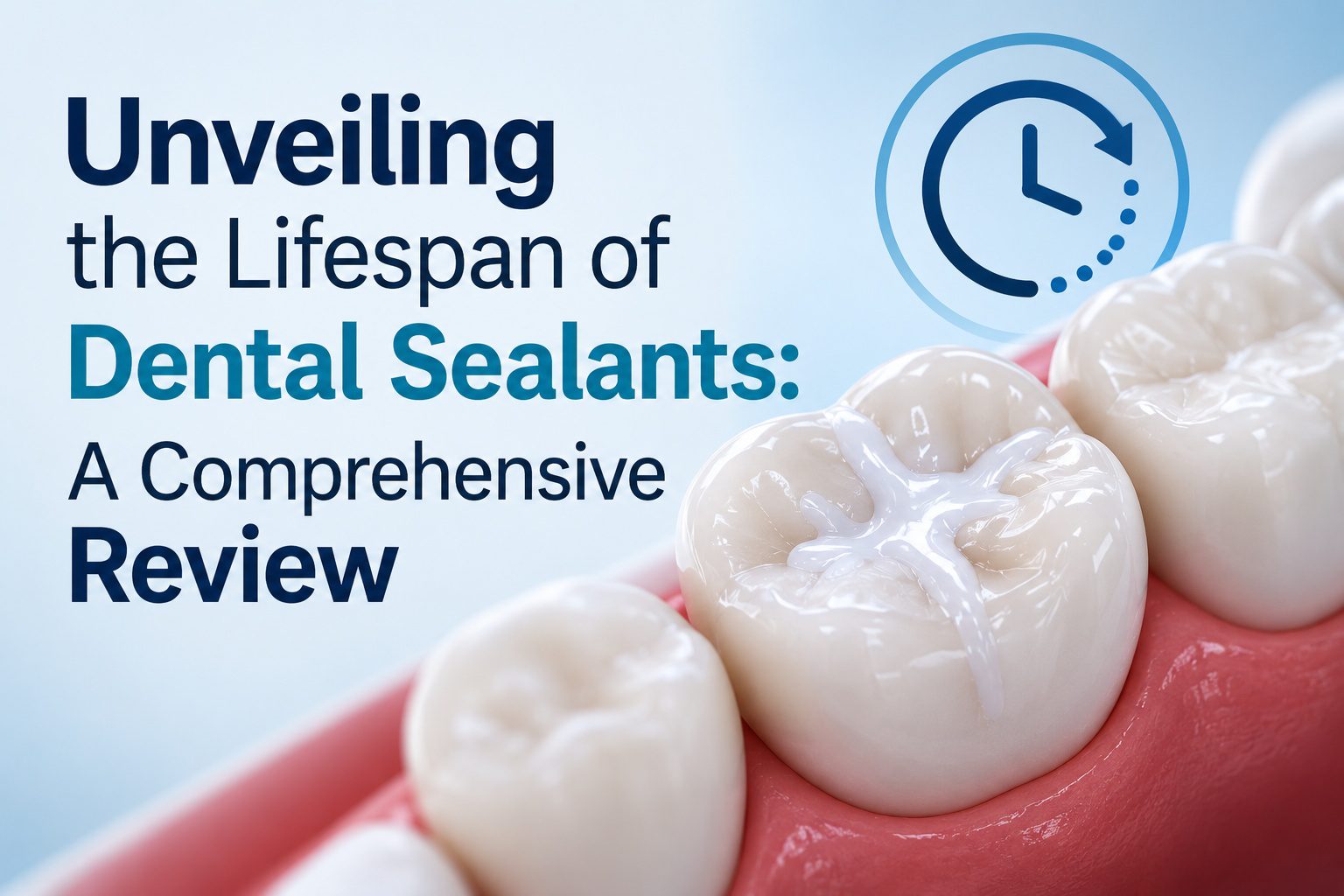
Dental sealants are widely recognized as a highly effective preventive tool for protecting teeth against cavities. They act as a protective shield, filling in the natural grooves and fissures of teeth that are prone to trapping food particles and bacteria. Both children and adults can benefit from sealants, particularly those who are at higher risk of developing cavities.
While sealants are known for their protective properties, understanding the lifespan of dental sealants is essential for ensuring they continue to provide optimal protection over time. Knowing how long sealants last and what factors influence their durability can help patients make informed decisions about their oral health.
How Dental Sealants Work
Dental sealants are made from flowable resin-based materials that bond directly to the tooth surface. Their effectiveness is based on a combination of mechanical adhesion and chemical bonding. The resin flows into the microgrooves of the tooth, creating a secure mechanical interlock that helps the sealant stay in place.
Chemical bonding is enhanced by a dental primer that modifies the surface of the tooth to improve adhesion. Once applied, the sealant undergoes a light-induced polymerization process, which hardens the resin into a durable barrier that protects teeth from bacteria and food particles.
Some modern sealants also release fluoride, which strengthens the enamel and provides additional protection against decay. This fluoride release can even benefit nearby teeth, creating a broader area of protection and reducing the likelihood of cavities developing in adjacent surfaces.
The science behind sealants is complex, combining elements of chemistry, biology, and clinical technique. The precise application and curing process ensures that sealants can withstand the forces of daily chewing, grinding, and general wear and tear, making them a reliable preventive measure when maintained properly.
Factors That Influence the Lifespan of Dental Sealants
While dental sealants are designed to be durable, their longevity is influenced by several factors related to the patient, the application process, and lifestyle habits. Daily oral care is critical; individuals who grind their teeth, chew hard objects, or consume highly acidic foods may experience faster wear on their sealants. Additionally, habits such as chewing ice, biting pens, or consuming sticky candies can compromise the integrity of the sealant and shorten its effective lifespan. Proper brushing and flossing routines help preserve the sealant while maintaining overall oral health, preventing decay around the edges of the sealant.
The dentist’s application technique also plays a major role in longevity. Proper isolation of the tooth during application prevents contamination from saliva, ensuring that the sealant bonds correctly. Accurate placement within the grooves and fissures, combined with correct curing methods, ensures the sealant hardens fully and provides maximum protection. Inadequate bonding or curing can lead to early wear, gaps, or premature failure of the sealant, reducing its effectiveness.
Environmental and biological factors are equally important. Patients with acid reflux or high dietary acidity may experience faster erosion of sealants, while variations in tooth anatomy and enamel strength can influence how long a sealant remains fully effective. Understanding these factors allows dentists and patients to take proactive steps in maintaining sealants over time.
Typical Lifespan of Dental Sealants
On average, the lifespan of dental sealants ranges from five to ten years. However, this can vary depending on patient habits, diet, oral hygiene, and the quality of the application. Regular dental check-ups are essential to monitor the condition of sealants, as dentists can detect early signs of wear, chipping, or loss of coverage.
Even minor damage to a sealant can compromise its protective function, making timely repairs crucial. When maintained correctly, sealants can provide long-lasting protection, significantly reducing the risk of cavities in grooves and fissures while complementing other preventive strategies such as fluoride treatments and routine cleanings.
How to Maximize the Longevity of Dental Sealants
To ensure that dental sealants last as long as possible, patients should focus on proper oral care and lifestyle adjustments. Maintaining good oral hygiene through consistent brushing with fluoride toothpaste and daily flossing helps protect both natural enamel and sealants. Avoiding behaviors that place excessive stress on teeth, such as chewing hard foods or using teeth as tools, reduces the risk of cracks or damage to sealants.
For individuals who grind their teeth, wearing a nightguard can help minimize wear and prolong the life of both the sealants and natural teeth. Regular dental exams allow dentists to identify minor issues before they become serious problems, ensuring sealants continue to provide maximum protection.
Benefits of Dental Sealants
Dental sealants are more than just a preventive measure; they offer multiple benefits for long-term oral health. By protecting the vulnerable grooves and fissures of teeth, sealants reduce the risk of cavities by up to 80% in treated areas. They also minimize the need for more invasive dental procedures such as fillings and crowns, preserving more of the natural tooth structure. For children, sealants provide an effective barrier during the years when teeth are most susceptible to decay, while adults with deep grooves or previous dental history can also benefit. The combination of science-based application and proper maintenance makes dental sealants an essential component of a comprehensive oral care routine.
When to Replace or Repair Sealants
Even the most well-maintained sealants may eventually require replacement or repair. Signs that a sealant may need attention include visible chipping, cracking, partial loss of coverage, or recurrent decay around the edges. Regular dental check-ups are important for assessing the integrity of sealants and ensuring that teeth remain protected. Addressing any issues promptly can prevent cavities from developing beneath the sealant and maintain the protective benefits for years to come.
Conclusion
Dental sealants are a scientifically advanced preventive tool that plays a vital role in maintaining oral health. Understanding the lifespan of dental sealants empowers patients to make informed decisions about their dental care, while proper oral hygiene, a healthy diet, and regular dental visits help ensure these protective coatings remain effective for as long as possible.
At Belleview Dental Associates, patient education and preventive dentistry are central to helping individuals maintain strong, healthy smiles. By combining modern dental science with careful at-home care, sealants can provide long-lasting protection and peace of mind for both children and adults.
Frequently Asked Questions
1. How long do dental sealants last?
Dental sealants typically last between five and ten years, depending on oral habits, diet, and the quality of the initial application.
2. Do dental sealants prevent all cavities?
While highly effective for grooves and fissures, sealants do not replace the need for brushing, flossing, and fluoride use for overall cavity prevention.
3. Can adults benefit from dental sealants?
Yes, adults with deep grooves or higher cavity risk can benefit from sealants just as children do.
4. How can I extend the lifespan of my sealants?
Good oral hygiene, avoiding hard or sticky foods, wearing a mouthguard if needed, and regular dental check-ups can help prolong sealant effectiveness.
5. Are fluoride-releasing sealants better?
Fluoride-releasing sealants provide additional protection by strengthening enamel and offering some preventive benefit to nearby tooth surfaces.