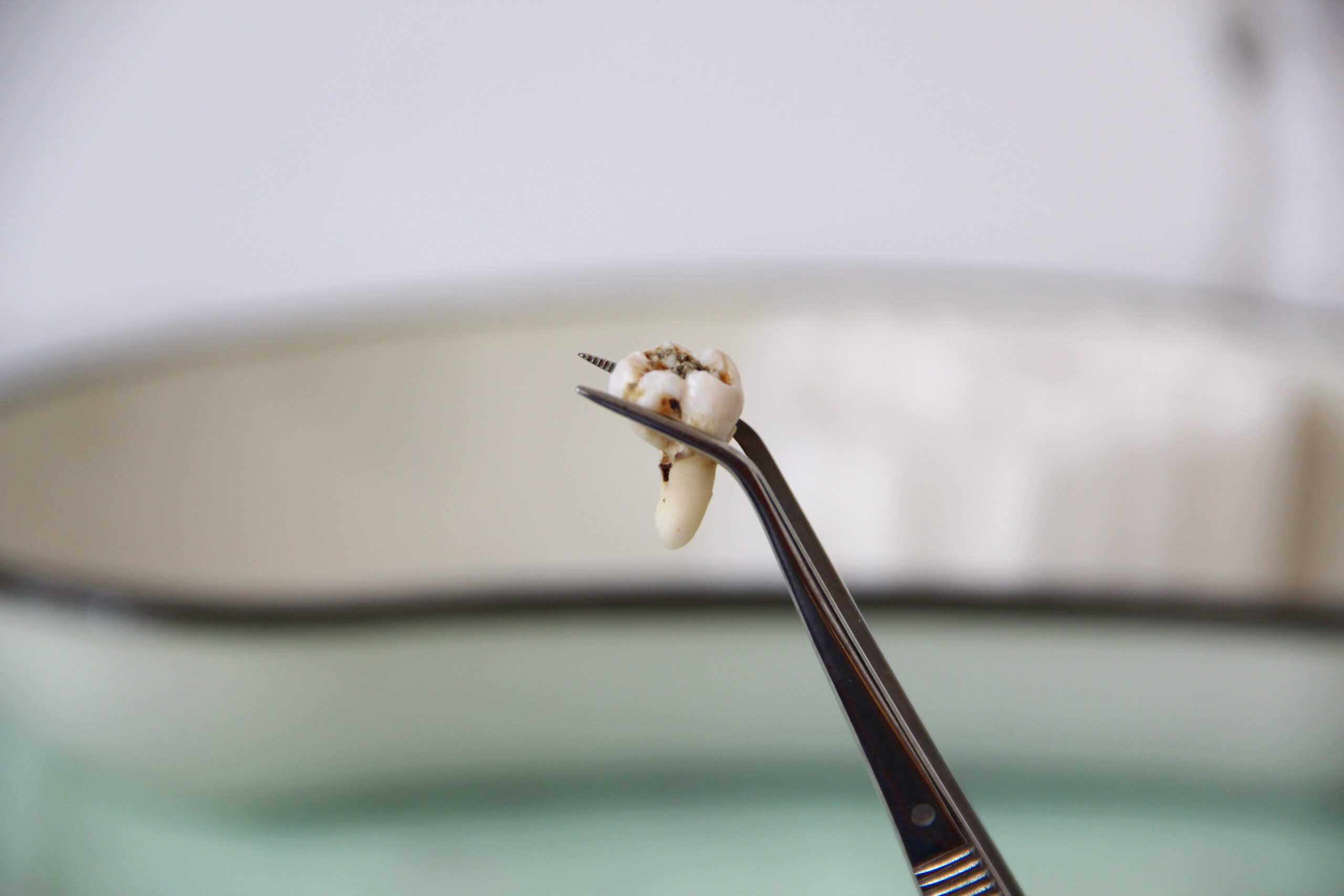
Dentists generally do everything possible to save a natural tooth, but there are situations where extraction is the best option for your overall oral health. Whether it’s a severely damaged tooth, a wisdom tooth causing problems, or part of an orthodontic treatment plan, understanding when extractions are necessary — and what the process involves — can help ease any concerns.
Common Reasons for Tooth Extraction
Severe decay or damage. When a tooth is too damaged or decayed to be restored with a filling, crown, or root canal, extraction may be the most practical option to prevent further infection or pain.
Advanced gum disease. When periodontal disease has caused significant bone loss around a tooth, the tooth may become loose enough that extraction is recommended.
Impacted wisdom teeth. Wisdom teeth that don’t have enough room to emerge properly can become impacted, leading to pain, infection, or crowding of neighboring teeth.
Orthodontic treatment. In some cases, removing a tooth creates the space needed for orthodontic treatment to properly align the remaining teeth.
Severe infection. When an infection has progressed to the point where root canal therapy isn’t a viable option, extraction may be necessary to stop the spread of infection.
What Happens During an Extraction
Most extractions are performed with local anesthesia, which numbs the area completely while you remain awake and comfortable. For simple extractions, the tooth is loosened and removed with specialized instruments. More complex extractions — such as impacted wisdom teeth — may involve a small incision and removal of the tooth in sections, depending on its position.
What Recovery Looks Like
After an extraction, it’s normal to experience some swelling and discomfort for a few days, which can typically be managed with over-the-counter pain relievers and ice packs. Your dentist will provide specific aftercare instructions, which often include avoiding certain foods, not using straws, and keeping the area clean to support proper healing.
Replacing an Extracted Tooth
When a tooth is removed (other than wisdom teeth, which typically aren’t replaced), it’s often worth discussing replacement options with your dentist — such as a dental implant or bridge — since gaps left by missing teeth can affect bite alignment and allow neighboring teeth to shift over time.
Conclusion
While dentists aim to preserve natural teeth whenever possible, extractions are sometimes the right choice for protecting your overall oral health. Understanding the reasons behind a recommended extraction — and discussing replacement options when relevant — can help you feel more confident moving forward with treatment.
Frequently Asked Questions
Is getting a tooth extracted painful?
The procedure itself is performed with local anesthesia, so you shouldn’t feel pain during the extraction, though some pressure may be felt. Recovery discomfort is typically manageable with over-the-counter medication.
How long does recovery take after an extraction?
Initial healing typically takes about a week, though complete healing of the bone and gum tissue can take longer. Your dentist will provide a timeline based on your specific situation.
Do all wisdom teeth need to be removed?
Not necessarily — some wisdom teeth come in properly and cause no issues. Removal is typically recommended when they’re impacted, causing pain, or contributing to crowding or infection.
What should I avoid after a tooth extraction?
Common recommendations include avoiding straws, smoking, and vigorous rinsing in the first day or two, as these can disrupt healing and increase the risk of complications.
Should I replace an extracted tooth?
In most cases, yes — especially for teeth other than wisdom teeth, since gaps can lead to shifting of neighboring teeth and changes in your bite over time. Your dentist can discuss replacement options.
Caring for You at Belleview Dental Associates
Whether you’re dealing with a damaged tooth, impacted wisdom teeth, or need guidance on next steps, our team is here to walk you through your options with care and clear communication.
Call (303) 932-1077 or book an appointment online with our Littleton, CO office.