Grinding or clenching your teeth, also known as bruxism, is a common issue that many people underestimate. While daytime grinding can sometimes be controlled consciously, nighttime clenching happens without awareness and can lead to serious dental and health problems over time. A night guard is a practical solution that protects your teeth, reduces pain, and preserves your oral health while you sleep. This guide will help you understand whether a night guard is right for you and what benefits it offers.
At Belleview Dental Associates, our goal is to provide information so you can make informed decisions about your oral health and prevent long-term damage from teeth grinding.
Why Consider Using a Night Guard?
The primary reason to consider a night guard is pain relief. Chronic teeth grinding can cause headaches, jaw soreness, and discomfort in the facial muscles. A night guard works by creating a cushion between the upper and lower teeth, preventing them from making contact. This helps reduce the strain on your jaw joints and muscles, alleviating pain and preventing the development of further dental issues such as chipping, fractures, and sensitivity.
Beyond immediate pain relief, night guards also help protect teeth from wear and tear. Grinding can slowly erode enamel, leading to shortened or weakened teeth over time. Even small, consistent forces can cause micro-damage to the tooth structure, which may result in costly repairs if left untreated. Using a night guard is a preventive step that safeguards your smile and reduces the risk of severe dental complications.
Additional Benefits of Night Guards
Night guards provide several advantages beyond protection from grinding. First, they can improve sleep quality. People who clench their teeth often wake up with tension, jaw fatigue, or headaches. Wearing a night guard can reduce this stress, allowing the jaw muscles to relax and enabling more restful, uninterrupted sleep.
Another benefit is financial savings. Treating damage caused by long-term grinding—such as cracked teeth, fillings, or extensive restorative work—can be expensive. A night guard is a cost-effective preventive measure that reduces the likelihood of costly dental procedures in the future.
Finally, night guards contribute to overall comfort and well-being. By alleviating pressure on the temporomandibular joint (TMJ) and jaw muscles, patients often notice reduced facial tension during the day, improved focus, and relief from chronic headaches associated with bruxism.
Risks of Not Using a Night Guard
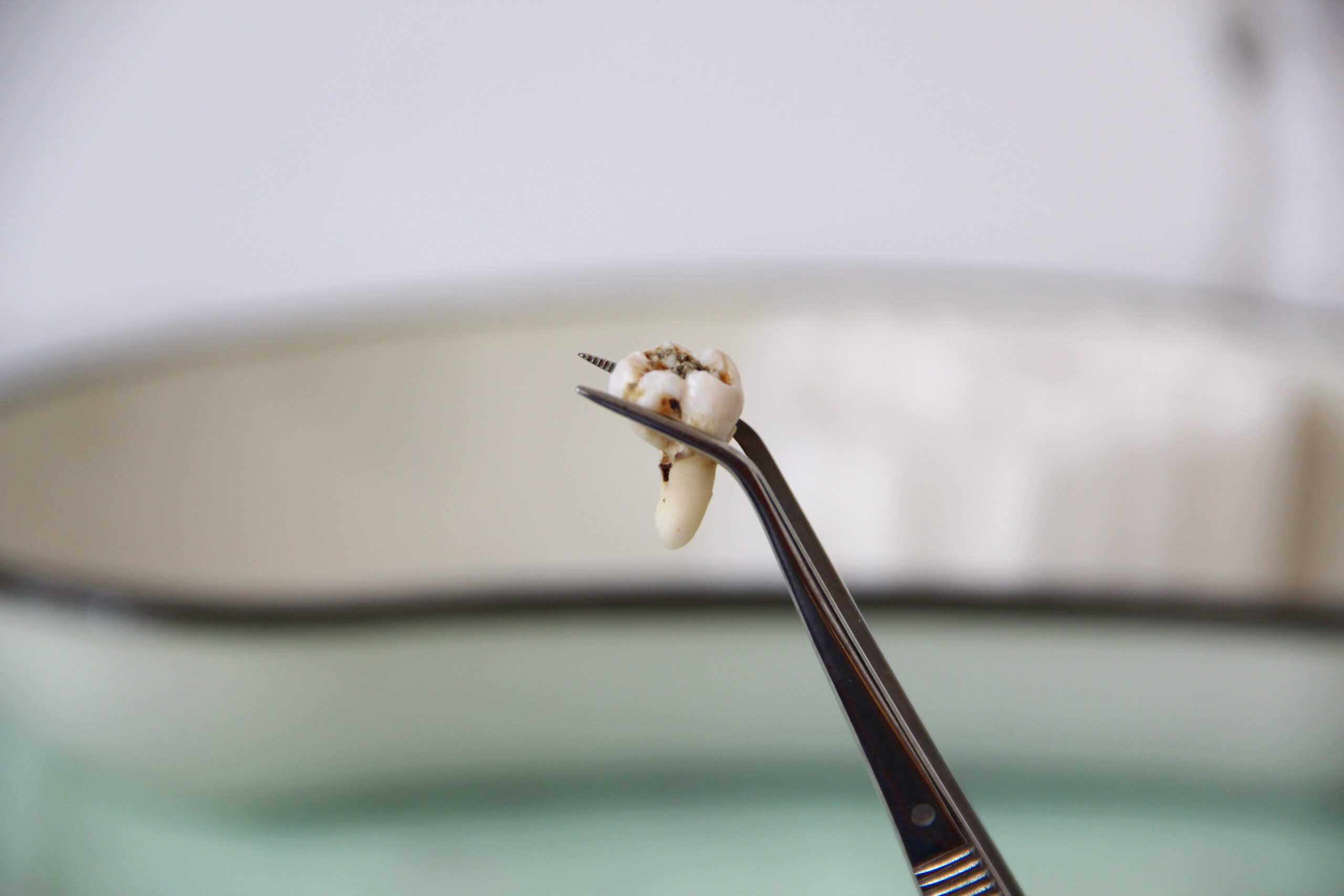
Ignoring teeth grinding or clenching can have serious consequences. One common outcome is cracked or fractured teeth. While enamel is one of the hardest substances in the human body, it can be damaged by repetitive grinding forces. Teeth that already have fillings or cavities are especially vulnerable to cracking.
Another potential issue is attrition, which is the gradual wearing down of the teeth due to constant grinding. Over time, attrition can shorten teeth, change your bite, and require complex restorative treatments to repair damage.
Gum recession is also a concern. Intense forces from grinding can cause gums to pull away from teeth, exposing roots and increasing sensitivity or susceptibility to decay. Over time, this may compromise both aesthetics and oral health. A night guard helps prevent these complications by evenly distributing the forces generated during clenching and grinding.
Types of Night Guards
Night guards are not one-size-fits-all; they are typically customized for each patient to provide the best protection and comfort. The type of night guard you need depends on the severity of your grinding and your personal preferences.
Soft Night Guards are made from flexible plastic, making them comfortable and suitable for mild to moderate grinding. They adapt easily to the shape of your teeth and are gentle on the enamel.
Hard Night Guards are made from strong acrylic and are ideal for patients with more severe grinding or clenching habits. Although firmer, they provide maximum protection against wear and are designed for long-term use.
Dual-Laminated Night Guards combine both soft and hard materials. The inner layer is soft for comfort, while the outer layer is hard for durability and protection. This type offers a balance of comfort and resilience and is popular among patients with moderate to severe grinding.
Who Should Consider a Night Guard?
If you notice jaw soreness, headaches, tooth sensitivity, or enamel wear, a night guard may be a good solution. Those who grind teeth during sleep—often without realizing it—are at risk for long-term damage and should consider professional evaluation. Dentists can assess your grinding patterns, measure bite forces, and recommend the appropriate type of night guard.
Children and adults with braces, dental restorations, or high-stress levels may also benefit from night guards. In many cases, wearing a night guard is a simple, non-invasive way to prevent costly and painful dental issues later.
Conclusion
A night guard is a practical and effective solution for protecting teeth from grinding and clenching during sleep. Beyond preventing tooth damage, it can alleviate jaw pain, reduce headaches, improve sleep quality, and prevent long-term oral health problems. Choosing the right night guard—soft, hard, or dual-laminated—depends on individual needs, and professional guidance ensures maximum comfort and effectiveness.
At Belleview Dental Associates, we help patients make informed decisions about their dental health, including whether a night guard is the right solution. If you experience jaw discomfort, headaches, or signs of teeth grinding, consulting a dental professional and considering a customized night guard can be a proactive step in protecting your smile and overall well-being.
Frequently Asked Questions
1. What is a night guard?
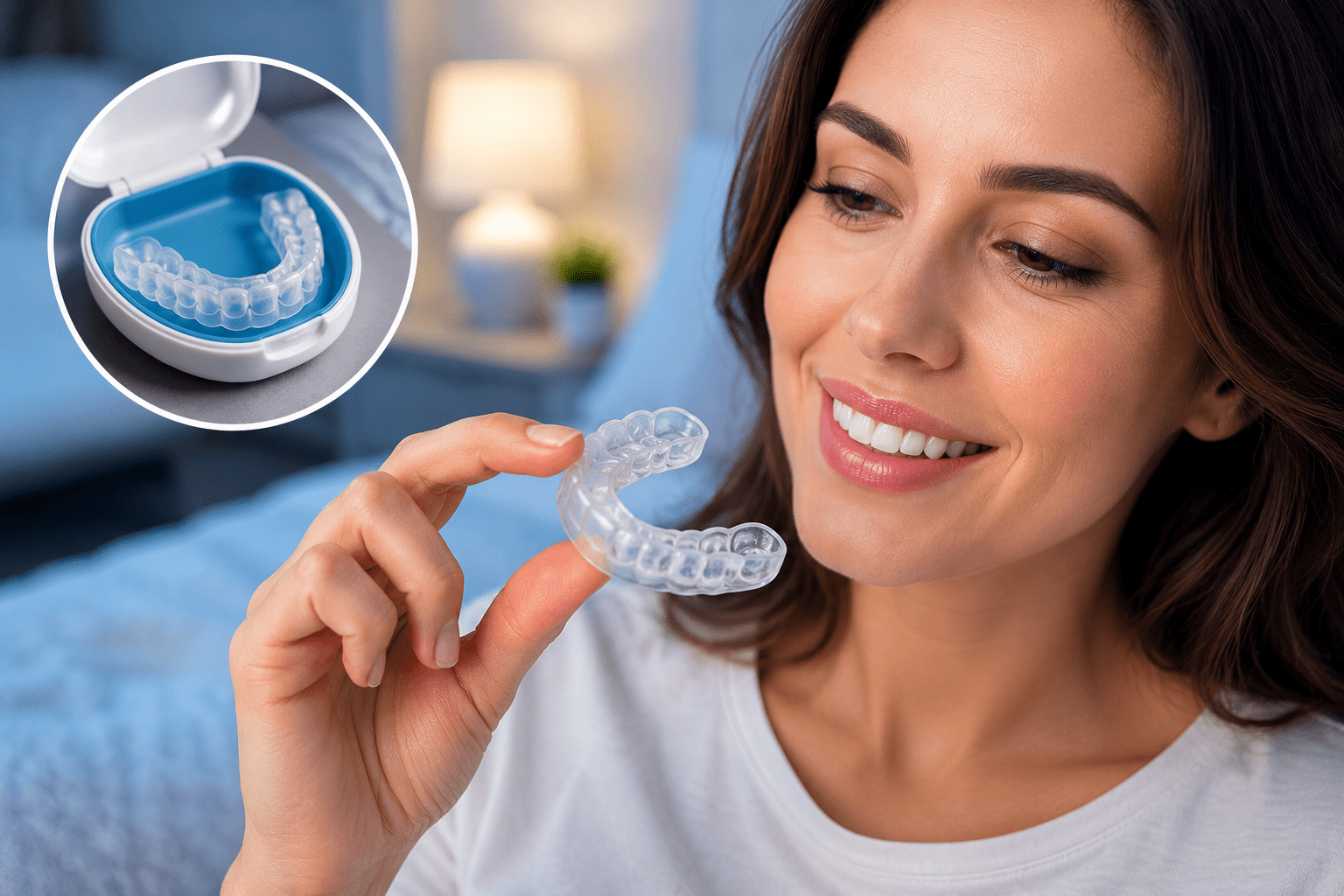
A night guard is a custom-fitted dental device worn over the teeth to prevent damage from grinding or clenching during sleep.
2. How do I know if I need a night guard?
Signs include jaw pain, headaches, worn or cracked teeth, enamel erosion, or morning discomfort in the face or jaw.
3. Are night guards comfortable to wear?
Yes. Modern night guards are customized to fit each patient, and materials range from soft and flexible to hard and durable for severe cases.
4. Can a night guard prevent tooth damage?
Absolutely. Night guards protect teeth from fractures, attrition, and other issues caused by grinding or clenching.
5. How long should I wear a night guard?
Night guards are worn during sleep. The duration each night depends on your dentist’s recommendation and severity of grinding.