Few dental procedures have a reputation quite like the root canal. For many patients, the word alone is enough to cause anxiety. But root canal therapy has come a long way, and for most patients, the procedure itself is no more uncomfortable than getting a filling — while the relief it provides from the pain that often precedes it can be significant.
What Is a Root Canal, and Why Is It Needed?
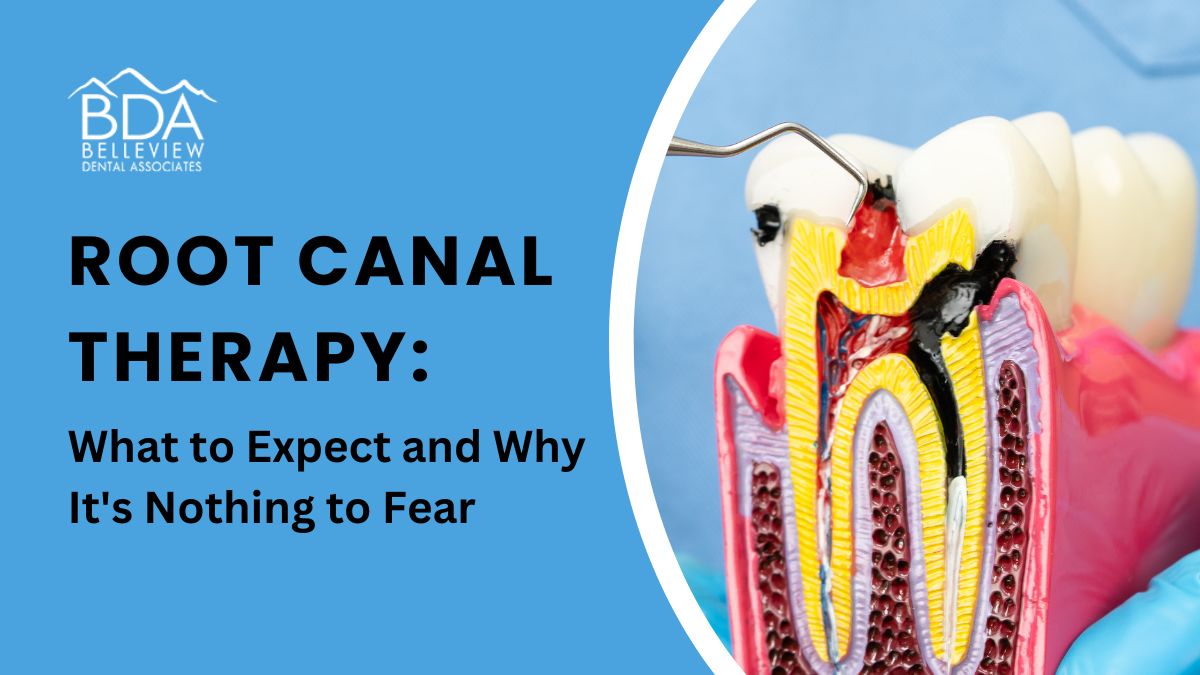
Inside every tooth is a soft tissue called the pulp, which contains nerves and blood vessels. When this pulp becomes infected or inflamed — often due to deep decay, a crack, or repeated dental procedures on the same tooth — it can cause significant pain and, if left untreated, lead to an abscess or loss of the tooth.
Root canal therapy removes the infected or damaged pulp, cleans and disinfects the inside of the tooth, and seals it to prevent further infection. This allows the tooth to be saved rather than extracted.
Signs You Might Need a Root Canal
Common signs include persistent or severe tooth pain, particularly when chewing or applying pressure, sensitivity to hot or cold that lingers well after the stimulus is removed, swelling or tenderness in the gums near a specific tooth, and a tooth that has darkened in color. That said, some teeth that need root canal treatment don’t cause noticeable symptoms at all, which is one reason routine checkups and X-rays are valuable.
What Happens During the Procedure
After numbing the area with local anesthesia, your dentist creates a small opening in the tooth to access the pulp chamber. The infected or damaged pulp is carefully removed, and the inside of the tooth is cleaned, shaped, and disinfected. The space is then filled with a biocompatible material to seal it.
In most cases, a tooth that has had root canal therapy will also need a crown afterward, since the tooth can become more brittle once the pulp is removed. The crown protects the tooth and restores its full function.
What Recovery Looks Like
Most patients experience some mild soreness for a few days following the procedure, which is generally manageable with over-the-counter pain relievers. Many patients report that the relief from the pain they were experiencing beforehand — often caused by the underlying infection — is immediate and significant.
Conclusion
Root canal therapy has earned an unfair reputation as a painful procedure, when in reality it’s often the solution that relieves pain rather than causes it. For patients dealing with persistent tooth pain or sensitivity, an evaluation can determine whether root canal therapy is the right path toward saving the tooth and resolving the discomfort.
Frequently Asked Questions
Is a root canal painful?
The procedure itself is performed with local anesthesia and is typically no more uncomfortable than getting a filling. Most discomfort patients associate with root canals actually comes from the infection beforehand.
How long does a root canal take?
Most root canal procedures can be completed in one to two visits, depending on the complexity of the tooth’s root structure.
Will I need a crown after a root canal?
In most cases, yes. Because the tooth can become more brittle after the pulp is removed, a crown helps protect it and restore full chewing function.
What happens if I don’t get a root canal on an infected tooth?
Without treatment, the infection can spread, potentially leading to an abscess, increased pain, and eventually loss of the tooth.
How long does a tooth last after a root canal?
With a properly placed crown and good oral hygiene, a tooth that’s had root canal therapy can last many years — often for the rest of a patient’s life.
Relief Starts at Belleview Dental Associates
If you’re dealing with persistent tooth pain or sensitivity, don’t wait for it to get worse. Our team can evaluate the issue and, if needed, perform root canal therapy with your comfort as the top priority.
Call (303) 932-1077 or request an appointment online with our Littleton, CO team.