Smoking impacts far more than just your lungs—it has serious and lasting effects on your oral health. From stained teeth to gum disease and tooth loss, tobacco use can quietly damage your smile over time.
If you’re wondering how smoking affects oral health, understanding the risks is the first step toward protecting your teeth and gums.
At Belleview Dental Associates in Littleton, CO, we help patients recognize the oral health consequences of smoking and provide personalized care to minimize damage and restore healthy smiles.
The Connection Between Smoking and Oral Health
Your mouth is often the first place where the harmful effects of smoking appear. Tobacco products introduce thousands of chemicals into the oral environment, many of which reduce blood flow, weaken the immune system, and promote bacterial growth.
When oxygen and nutrients are restricted, your body struggles to fight infections and heal damaged tissues. This makes smokers significantly more vulnerable to oral health problems than non-smokers. Understanding how smoking affects oral health can empower you to make informed decisions about your dental care.
How Smoking Affects Oral Health: Common Problems
Smoking impacts nearly every part of the mouth, often in ways that worsen over time.
Gum Disease
Smoking is one of the leading risk factors for gum disease. It weakens the immune response, making it harder for your body to fight off bacteria along the gumline. Smokers are more likely to develop gingivitis and advanced periodontitis, which can lead to gum recession and tooth loss.
Delayed Healing
Tobacco use restricts blood flow, which slows healing after dental procedures such as extractions, implants, or periodontal treatment. This increases the risk of complications and infections following dental care.
Tooth Discoloration and Staining
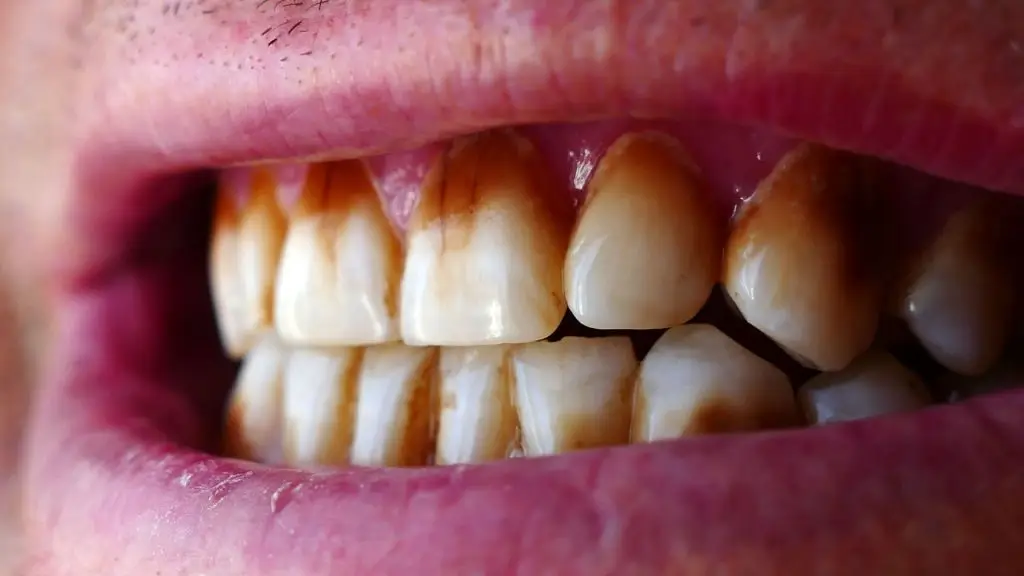
Nicotine and tar cause yellow or brown stains that penetrate tooth enamel. These stains are often resistant to over-the-counter whitening products and may require professional treatment.
Persistent Bad Breath
Smoking contributes to chronic bad breath by drying out the mouth and promoting odor-causing bacteria. Even with regular brushing, smokers may struggle to maintain fresh breath.
Tooth Decay
Smoking reduces saliva production, creating a dry mouth environment where harmful bacteria thrive. This increases the risk of cavities and enamel breakdown.
Oral Cancer
One of the most serious answers to how smoking affects oral health is its strong link to oral cancer. Tobacco use significantly increases the risk of cancer of the lips, tongue, cheeks, throat, and gums.
If you notice bleeding gums, loose teeth, persistent sores, or unexplained mouth pain, schedule an evaluation with Belleview Dental Associates as soon as possible.
Warning Signs Smoking Is Harming Your Mouth
Recognizing early signs allows for timely intervention and better outcomes. Bleeding or swollen gums may indicate gum disease that is progressing more rapidly due to smoking. Receding gums, tooth sensitivity, and teeth appearing longer are additional red flags.
Persistent mouth sores, white or red patches, or lumps that do not heal within two weeks should always be evaluated promptly, as they may indicate oral cancer. If your gums rarely bleed despite visible plaque buildup, this can actually be a warning sign—smoking reduces blood flow, masking symptoms of gum disease.
Can Oral Health Improve After Quitting Smoking?
Yes. One of the most encouraging aspects of learning how smoking affects oral health is knowing that quitting can lead to noticeable improvements.
After quitting, blood flow to the gums increases, healing improves, and your body becomes better equipped to fight infections. Over time, your risk of gum disease, tooth loss, and oral cancer decreases. While some damage may be permanent, stopping smoking greatly improves long-term oral health outcomes.
Protecting Your Oral Health If You Smoke
While quitting smoking is the best option, additional steps can help reduce damage:
- Maintain meticulous oral hygiene with brushing and flossing
- Use fluoride toothpaste and antimicrobial mouthwash
- Stay hydrated to combat dry mouth
- Schedule dental cleanings and exams every six months
- Seek early treatment for gum disease or tooth decay
Professional dental care plays a critical role in managing the oral health risks associated with smoking.
Why Choose Belleview Dental Associates
At Belleview Dental Associates, we understand that smoking is a complex habit, and our role is to support—not judge—our patients. We provide compassionate, evidence-based care for individuals affected by tobacco use in Littleton, CO.
Our experienced dental team is skilled in identifying early signs of smoking-related oral conditions, including gum disease and oral cancer. We use advanced diagnostic tools to monitor changes in your oral health and intervene early when problems arise.
Personalized care is at the heart of what we do. We tailor preventive strategies, treatment plans, and hygiene recommendations to your specific needs and risk factors. Patient education is a priority, and we take time to explain how smoking affects oral health and what steps you can take to protect your smile.
Conclusion
Understanding how smoking affects oral health is essential for preventing serious dental problems. Smoking increases the risk of gum disease, tooth decay, delayed healing, bad breath, and oral cancer—many of which worsen without obvious early symptoms.
With regular dental care, informed lifestyle choices, and prompt attention to warning signs, it’s possible to protect and even improve your oral health. Quitting smoking offers the greatest benefit, but professional support and preventive care make a meaningful difference at any stage.
At Belleview Dental Associates in Littleton, CO, we’re committed to helping patients maintain healthy smiles through expert care, education, and compassionate support.
If you smoke or have a history of tobacco use, contact Belleview Dental Associates today to schedule an oral health evaluation and take the next step toward a healthier smile.
Frequently Asked Questions
Does smoking cause gum disease?
Yes. Smoking significantly increases the risk of gum disease by weakening the immune system and reducing blood flow to the gums.
Can vaping affect oral health the same way as smoking?
While research is ongoing, vaping can still cause dry mouth, gum inflammation, and increased bacterial growth, which negatively impact oral health.
Will my gums heal if I quit smoking?
Quitting improves circulation and healing, allowing gums to recover and respond better to treatment.
How often should smokers visit the dentist?
Smokers should visit the dentist at least every six months, or more frequently if recommended based on their oral health needs.
Does smoking increase the risk of oral cancer?
Yes. Tobacco use is one of the leading risk factors for oral cancer, making regular dental screenings essential.