Considering dental implants in Littleton, CO? Here’s exactly what to expect, from your first consultation at Belleview Dental Associates to the day you’re back to smiling with confidence.
Dental implants have become the gold standard for replacing missing teeth, and for good reason: they look, feel, and function like natural teeth. But if you’ve never had one placed, the process can feel like a mystery. How long does it take? Does it hurt? What happens between appointments?
At Belleview Dental Associates, we walk every Littleton patient through the entire journey before treatment begins, because informed patients are more comfortable patients. Here’s a detailed breakdown of what the dental implant procedure actually looks like, stage by stage.
Step 1: The Initial Consultation
Your implant journey starts with a comprehensive consultation. This isn’t a quick look in your mouth — it’s a thorough evaluation that typically includes:
- A review of your dental and medical history
- A full oral examination, checking gum health and remaining teeth
- Digital X-rays and often a 3D cone-beam CT scan to evaluate bone density and volume
- A discussion of your goals, whether you’re replacing one tooth, several, or need a full-arch solution
This appointment is where your dentist determines whether you’re a good candidate for implants right away, or whether preliminary work — like a bone graft or treating gum disease — needs to happen first. Most patients are candidates; the consultation simply defines the right path.
Step 2: Treatment Planning
Once your evaluation is complete, your dentist creates a customized treatment plan. This includes selecting the implant size and type best suited to your bone structure, mapping the precise placement location using your CT scan, and outlining a realistic timeline. You’ll also review costs and financing options at this stage, so there are no surprises later.
Step 3: Preparatory Procedures (If Needed)
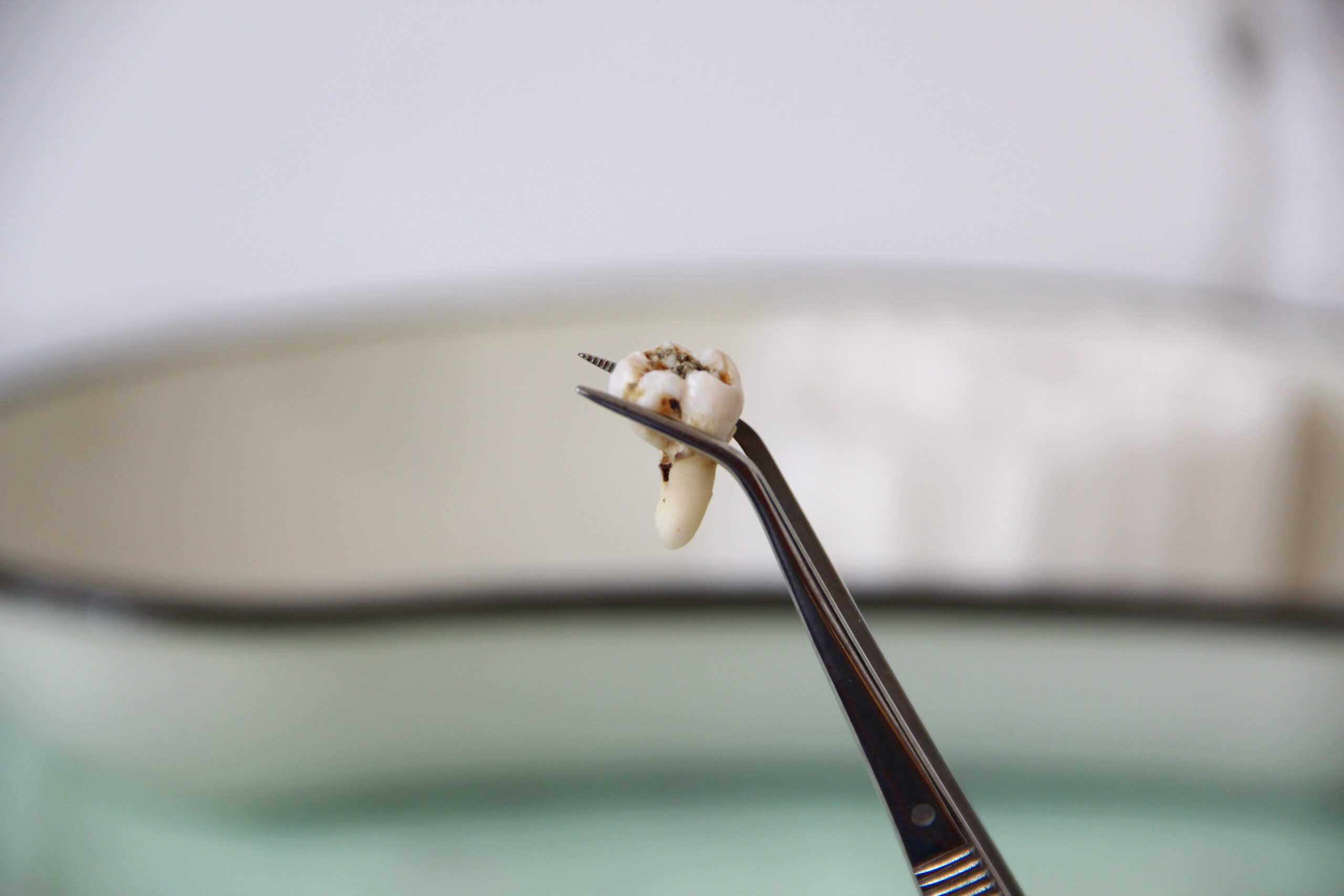
Not everyone needs this step, but for patients with bone loss — common after teeth have been missing for a while — a bone graft may be recommended to build a solid foundation for the implant. If a tooth needs to be extracted first, that typically happens either at this stage or simultaneously with implant placement, depending on the situation. Healing from a bone graft usually takes three to six months before implant placement can proceed.
Step 4: Implant Placement Surgery
This is the core procedure. Under local anesthesia (sedation options are also available for anxious patients), your dentist places a small titanium or zirconia post directly into the jawbone where the tooth root used to be. The procedure for a single implant generally takes about one to two hours.
Here’s what happens during placement:
- The gum tissue is gently opened to expose the bone
- A precise pilot hole is drilled at the planned location
- The implant post is inserted into the jawbone
- The gum tissue is closed around or over the implant, depending on the technique used
- A protective cap or temporary restoration may be placed
Most patients describe the experience as far less uncomfortable than they anticipated, largely due to modern anesthesia and precise digital planning.
Step 5: Osseointegration — The Healing Phase
This is the step that requires patience. Osseointegration is the biological process where your jawbone fuses to the implant surface, creating a foundation as strong as a natural tooth root. This typically takes three to six months, though it can vary based on bone quality, the implant location, and individual healing rates.
During this period, you’ll wear a temporary restoration (or none, depending on the case) and follow specific care instructions: eating softer foods initially, avoiding pressure on the implant site, and maintaining excellent oral hygiene around the area.
Step 6: Placing the Abutment
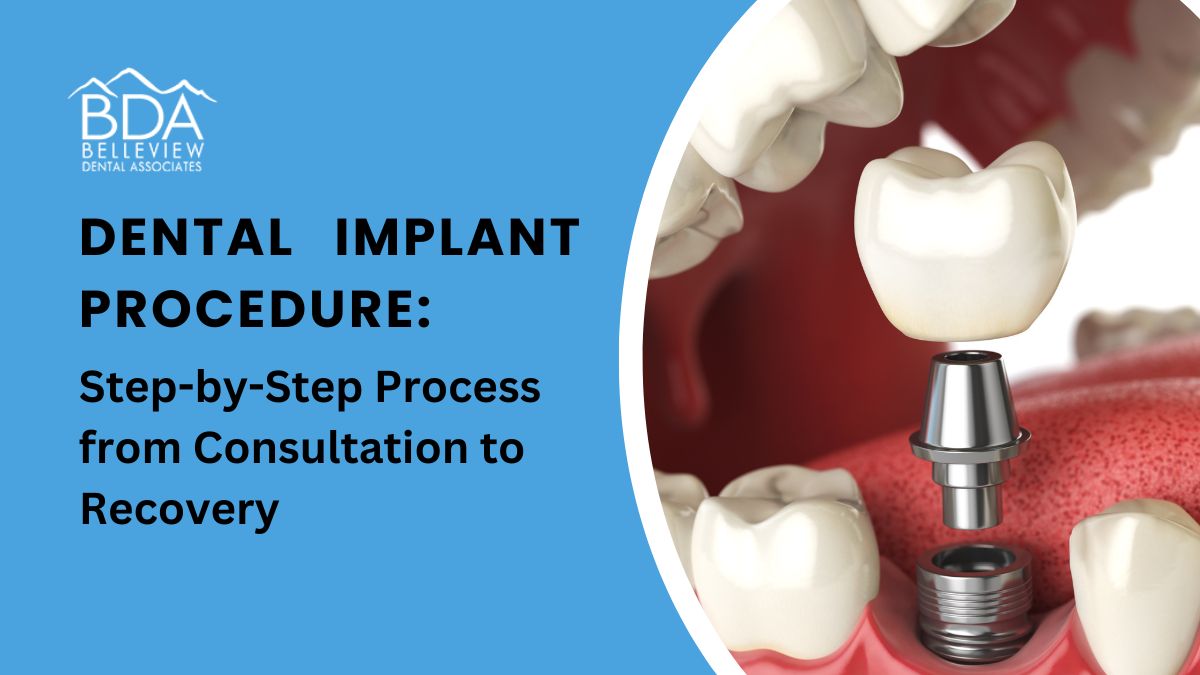
Once osseointegration is confirmed — usually verified with a follow-up X-ray — a small connector piece called an abutment is attached to the implant post. This minor procedure sometimes requires a small incision to expose the implant if it was fully covered during healing. Gum tissue is then allowed to heal around the abutment for a couple of weeks, forming a natural-looking contour.
Step 7: Designing and Placing the Final Restoration
Now for the exciting part. Your dentist takes impressions or digital scans of the abutment and surrounding teeth, which are sent to a dental lab to fabricate your custom crown, bridge, or denture. This restoration is matched to the color, shape, and size of your natural teeth for a seamless result.
Once the final restoration arrives — typically within two to three weeks — it’s fitted, adjusted, and permanently secured. Your bite is checked carefully to ensure comfortable, even chewing function.
Step 8: Recovery and Aftercare
Recovery happens in layers throughout this process, but the most noticeable healing occurs in the first one to two weeks after surgery. Expect some swelling, mild discomfort, and possibly minor bruising, all manageable with over-the-counter or prescribed pain relief. Most patients return to normal daily activities within a few days.
Long-term success depends on ongoing care: brushing and flossing thoroughly around the implant, attending regular checkups, and avoiding habits like teeth grinding or tobacco use that can jeopardize healing.
Realistic Timeline Overview
To put the whole process in perspective:
- Consultation and planning: 1–2 weeks
- Bone grafting (if needed): 3–6 months healing
- Implant placement to osseointegration: 3–6 months
- Abutment placement and gum healing: 2–4 weeks
- Final restoration fabrication and placement: 2–3 weeks
For patients who don’t need preliminary bone work, the entire process from placement to final crown often takes four to eight months. It’s a longer-term investment than a same-day fix, but the payoff is a permanent, natural-feeling tooth replacement built to last for decades with proper care.
What Makes the Process Easier
Choosing an experienced team matters. Precise 3D planning reduces surgical time and improves accuracy, modern sedation options ease anxiety, and clear communication at every stage means you always know what to expect next. Patients who understand the “why” behind each step tend to have smoother recoveries and better long-term outcomes.
Is the Dental Implant Procedure Right for You?
Most healthy adults with adequate jawbone density — or who are candidates for bone grafting — make excellent implant candidates. Even patients with a few extra considerations, like controlled diabetes or a history of gum disease, can often move forward successfully with the right preparation and monitoring.
The best way to know for sure is a personalized consultation.
Frequently Asked Questions
Does the implant placement surgery hurt? Most patients report less discomfort than expected. The area is fully numbed with local anesthesia during placement, and any post-operative soreness is generally comparable to a tooth extraction, well managed with standard pain medication.
Can I get an implant and crown placed on the same day? Sometimes, in select cases with excellent bone density and stability — this is called immediate loading. Most patients, however, follow the traditional timeline with a temporary restoration during healing to protect the implant while it integrates with the bone.
How many appointments does the full process typically require? Expect roughly four to six appointments from consultation through final restoration: the initial consult, placement surgery, one or two healing check-ins, the abutment appointment, and the final restoration fitting.
What happens if I need a tooth pulled first? Extraction can often happen at the same visit as implant placement, or your dentist may recommend letting the socket heal for a few months first, depending on the condition of the site and surrounding bone.
Schedule Your Consultation at Belleview Dental Associates
If you’re in Littleton, CO and exploring your options for replacing a missing tooth or teeth, our team at Belleview Dental Associates is here to guide you through every step of the dental implant procedure with clarity and care. We’ll evaluate your unique situation, answer your questions, and build a treatment plan designed around your goals and timeline.
Reach out to our Littleton office today to schedule your dental implant consultation and take the first step toward a complete, confident smile.